What Size Bag of Dog Food Should You Buy?
Buy the largest bag your dog will finish in about four to six weeks — no larger. That one rule beats every price-per-pound calculation, because kibble fat starts oxidising the moment you break the seal, regardless of what the best-before date says. The bigger bag is always cheaper per pound; it is only better value if the food is still good when you reach the bottom. For a 10 lb dog that means a 4–8 lb bag. For a 50 lb dog, a 30 lb bag lands almost exactly on six weeks. Work out your dog's daily portion with the free dog food calculator, and the right bag falls out of the arithmetic.
🐾 Which bag size fits your dog?
Tap your dog's weight:
Tap an option above. The right bag is the one you finish in four to six weeks.
Why Four to Six Weeks Is the Number
The freshness window is the whole argument, so it is worth understanding rather than just obeying.
Dry food is 10–20% fat, and fat reacts with oxygen. That reaction — oxidation, or going rancid — is what turns good kibble into something that smells faintly of crayons, old cooking oil or putty. It is slow, it is cumulative, and it starts properly once air reaches the food.
Sealing the bag slows it, it does not stop it. Every time you open the bag you exchange the air inside for fresh oxygen. A bag opened twice a day for four months has been re-oxygenated roughly 240 times.
Oxidation costs more than flavor. It degrades the fat-soluble vitamins riding in that fat — vitamin A and vitamin E especially — and the antioxidants the manufacturer added to protect the fat get used up doing their job. A food that met its nutrient profile at packing is a slightly weaker food months after opening.
Dogs notice before you do. A dog who has enthusiastically eaten the same kibble for a year and starts picking at the last third of a big bag is often telling you something real. People usually read it as fussiness.
Four to six weeks is a working window, not a cliff. Nothing dramatic happens on day 43. But it is the range manufacturers and veterinary nutritionists generally point to for an opened bag, and it is comfortably inside the food's real quality life.
How to Work Out Your Own Bag Size
Two minutes with a calculator gives you a better answer than any general rule.
Step 1: get the daily portion in grams. From the dog food calculator or your vet, not from the back of the bag — bag charts are broad averages and usually run generous.
Step 2: multiply by 42. Six weeks of food, in grams. A dog eating 320 g a day needs 13,440 g.
Step 3: divide by 454. That converts to pounds. 13,440 ÷ 454 ≈ 29.6 lb — so a 30 lb bag. Round down to the nearest bag size sold, never up.
Step 4: sanity-check against 28 days. Multiply the daily grams by 28 and divide by 454 to get your four-week floor. For our 320 g dog that is about 19.7 lb. So anything from a 20 lb bag to a 30 lb bag is fine, and 30 lb is the better value inside that range.
Step 5: buy the largest size in the window. That is where the price-per-pound saving and the freshness rule agree with each other, which is the whole point. For a full breakdown of the arithmetic, see how long a bag of dog food lasts.
Bag Size Chart by Dog Weight
Based on a typical adult dog eating a mid-density dry food at around 3,600 kcal/kg, at a portion that maintains weight. Adjust down for a sedentary senior, up for a genuinely working dog.
| Dog weight | Typical daily portion | Six weeks of food | Buy this size | Avoid |
|---|---|---|---|---|
| 5 lb (2.3 kg) | ~55 g | ~5 lb | 4–5 lb bag | Anything over 8 lb |
| 10 lb (4.5 kg) | ~95 g | ~9 lb | 6–8 lb bag | 20 lb+ (four months to finish) |
| 25 lb (11 kg) | ~190 g | ~18 lb | 12–16 lb bag | 30 lb+ (over two months) |
| 50 lb (23 kg) | ~320 g | ~30 lb | 24–30 lb bag | 50 lb (over ten weeks) |
| 75 lb (34 kg) | ~440 g | ~41 lb | 30–40 lb bag | — |
| 100 lb (45 kg) | ~545 g | ~50 lb | 40–50 lb bag | — |
The pattern is blunt: only dogs over roughly 60 lb, or households with two or more dogs, should be buying the biggest bag on the shelf. Everyone else is paying for a discount they cannot use.
The Bulk Pricing Trap, With Numbers
Bulk discounts on kibble are real and reasonably consistent. The trap is that the saving is small and the waste is not.
The typical spread. Across most brands, stepping from a small bag to the largest bag saves somewhere in the region of 25–45% per pound. A food might run about $4.50/lb in a 4 lb bag, $2.30/lb in a 15 lb bag and $1.70/lb in a 30 lb bag. Actual prices vary hugely by brand, retailer and region, so check your own — the shape of the curve is the transferable part, not the figures.
Most of the saving happens early. The jump from the tiny bag to the mid-size bag is where the money is. The step from mid to giant is a much smaller percentage, and it is exactly the step that pushes a small dog past the freshness window.
Do the saving in dollars, not percentages. A 10 lb dog eats about 78 lb of food a year. Saving $0.30/lb by buying 40 lb bags is about $23 a year — for food that spends five months open. That is not a good trade.
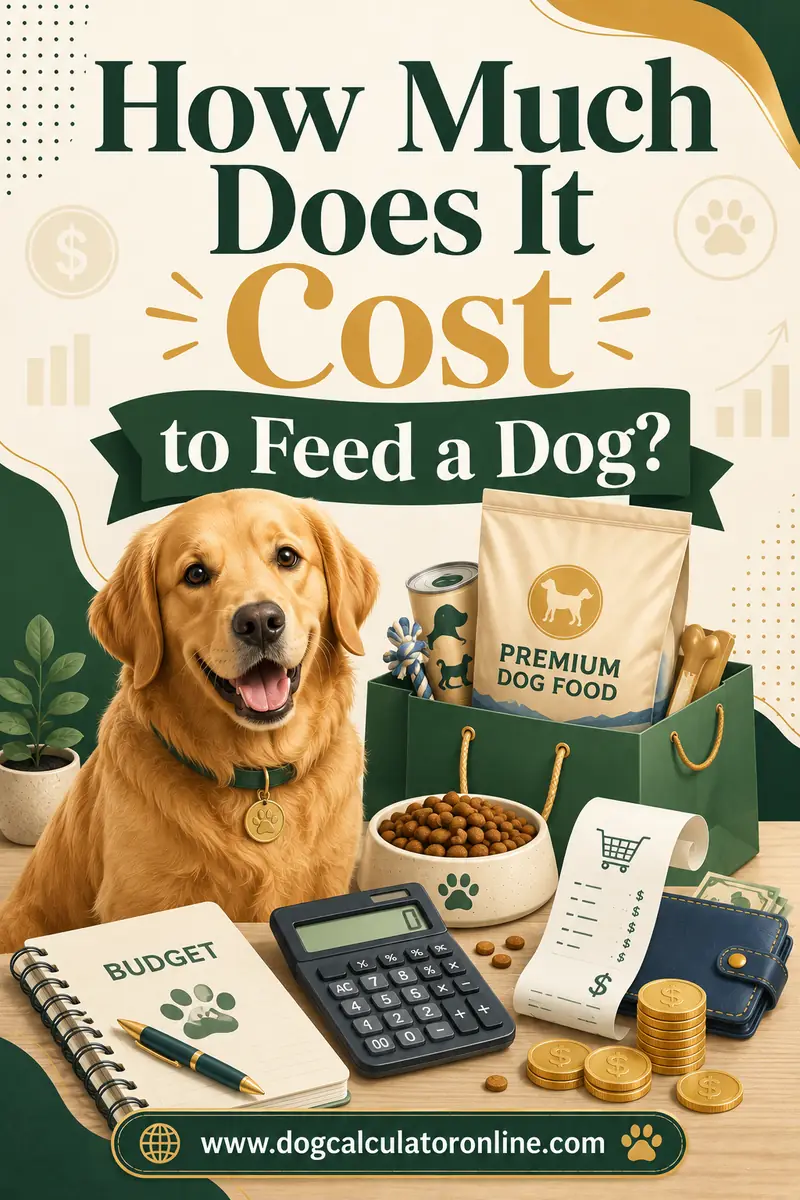
For a big dog it flips. A 100 lb dog eats roughly 440 lb a year. The same $0.30/lb saves about $130, and the bag still empties in six weeks. Now it is free money. The full picture of what feeding actually costs is in how much it costs to feed a dog.
Autoship beats bag size for small dogs. Most retailers' repeat-delivery discounts run around 5–10% and apply to any size. A small-dog household usually saves more by subscribing to the right-sized bag than by buying a bigger wrong-sized one.
When You Should Deliberately Buy Small
Some situations override the arithmetic entirely, and buying the small bag is simply correct.
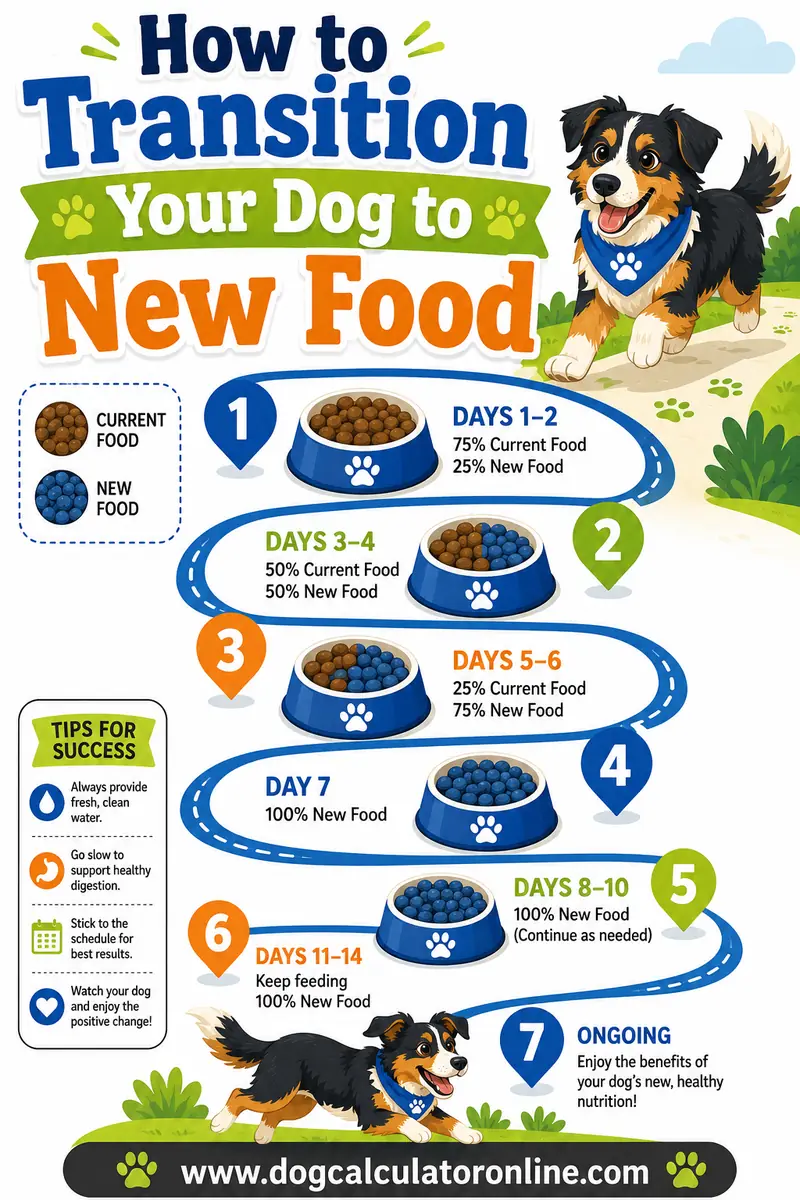
Trying a new food. Buy the smallest bag sold. Roughly one dog in a few will turn its nose up, or produce soft stools on a food that suits everyone else's dog. A 40 lb bag of something your dog refuses is an expensive lesson. Transition properly too — the 7–10 day food transition plan prevents most of the upset that gets blamed on the food itself.
Puppies. The portion rises every few weeks, so a big bag both drains unpredictably and gets replaced by adult food sooner than you think.
Elimination diets or a new prescription food. Under vet guidance you may change again quickly. Buy for weeks, not months.
Hot climates and no cool storage. If the only place the bag can live is a garage that hits 95°F (35°C) in summer, halve your window — heat accelerates oxidation sharply. The dog food storage guide covers what to do when you have no cool cabinet.
Travel and short stays. Small bags travel. Decanting into a plastic tub for a two-week trip loses you the batch code and the fat-barrier lining of the original bag.
Does Wet Food Change the Answer?
Wet food follows completely different rules, because the packaging is the preservation.
Unopened cans and pouches are shelf-stable for a year or more. They are sterilized in the container, so there is no oxidation clock running. Bulk-buying cans is genuinely sensible in a way that bulk-buying kibble is not.
The clock starts when you open one. An opened can goes in the fridge, covered, and should be used within about 5–7 days. Food left in the bowl should be picked up within an hour or two at room temperature.
Match the can size to the meal. A 100 lb dog fed wet food can empty a 13 oz can in a sitting; a 10 lb dog fed the same can wastes most of it or feeds it for four days. Buying the smaller 5.5 oz cans usually costs more per calorie but wastes less.
Mixed feeders need both sums. If you feed kibble with a wet topper, the kibble portion drops, so the bag lasts longer than the calculator's dry-only figure. Recalculate, or you will over-buy. Our wet vs dry dog food comparison explains how to balance the two without doubling the calories.
Storage, Freezing and Stretching the Window
If you are stuck with a bag that is too big — a gift, a sale you could not resist, a discontinued food — you can buy yourself some time.
Keep the food in its original bag. Do not pour kibble loose into a bin. The bag has a grease-resistant liner, and it carries the batch code and best-before date you would need if there were ever a recall. Put the whole bag inside the airtight container.
Squeeze the air out and roll the top down. A bag clip over a rolled top removes most of the headspace oxygen. It is a small, free improvement you get to make twice a day.
Cool, dry, dark. Below about 80°F (27°C) ideally. Not the garage, not the shed, not next to the oven.
Freezing works for genuine long-term storage. Portion into sealed freezer bags, squeeze out the air, and thaw each bag sealed so condensation forms on the outside rather than in the food. Damp kibble grows mold.
Split a big bag with a friend. Two small-dog households buying one 30 lb bag between them get the bulk price and a fresh three-week supply each. This is the only genuinely free lunch in the whole topic.
The Sniff Test: Knowing When a Bag Has Gone Off
Trust your nose, and act on it — this is not a place to be frugal.
Good kibble smells faintly toasty, meaty or of nothing much. Consistency matters more than the specific smell; you know your food's baseline.
Rancid fat smells sour, oily, waxy or like crayons. That is oxidation. The food is not acutely dangerous but it has lost quality, and dogs often reject it.
Oily clumping, a greasy film on the bag, or kibble that sticks together means fat has migrated and the food is past its best.
Any mold, fuzz, or a musty basement smell means bin it immediately. Mold on food can produce toxins. If your dog has eaten visibly moldy food and then becomes wobbly, tremors, vomits repeatedly or seems disoriented, treat it as an emergency and call your vet or an out-of-hours clinic straight away.
Insects — small moths, webbing, or tiny beetles — means bin it and clean the container with hot soapy water, then dry it completely before refilling. Also check nearby dry goods; grain moths travel.
FAQ
What size bag of dog food should I buy for a small dog?
For a dog under about 15 lb, buy a 4–8 lb bag. A small dog eats roughly 55–95 g a day, so even a 20 lb bag takes three to four months to finish — well past the four-to-six-week freshness window for opened kibble. The bulk saving is only a few dollars a year at that volume.
Is it better to buy big bags of dog food?
Only if your dog finishes the bag within about six weeks. Big bags are always cheaper per pound, typically 25–45% less than the smallest size, but that saving is wasted if the food oxidises before you reach the bottom. Big bags suit dogs over roughly 60 lb and multi-dog households.
How long can an open bag of dog food stay fresh?
About four to six weeks in a cool, dry, sealed environment. That window is shorter in heat — a garage above 90°F (32°C) can halve it — and longer if the food is kept in its original sealed bag inside an airtight container in a cool cabinet. Unopened bags keep until their best-before date.
Does dog food really go rancid before the expiry date?
Yes. The best-before date applies to an unopened bag. Once the seal is broken, oxygen reaches the fat and oxidation begins regardless of how many months are left on the printed date. This is why the opened-bag window and the printed date are two separate things.
How many pounds of dog food does a dog eat per month?
Roughly: a 10 lb dog eats about 6–7 lb a month, a 25 lb dog about 12–13 lb, a 50 lb dog about 21 lb, a 75 lb dog about 29 lb, and a 100 lb dog about 36 lb. Multiply your dog's daily grams by 30 and divide by 454 for your own number.
Should I buy a smaller bag when trying a new food?
Yes, always buy the smallest size sold. Some dogs refuse a new food outright and others get soft stools on it, and a large bag of a rejected food is money gone. Once your dog has done well on it for a month, size up to your normal bag.
Match the Bag to the Dog, Not the Shelf Price
The decision comes down to one comparison: the saving per pound on a bigger bag versus the weeks of freshness you give up to get it. For a Great Dane those two things point the same way and you should buy the biggest bag sold. For a Chihuahua they point in opposite directions, and the small bag wins by a mile. Get your dog's daily portion from the free dog food calculator, multiply by 42, convert to pounds, and buy the largest bag at or below that number. Then measure honestly — the cups-per-day guide helps — write the open date on the bag, and let the arithmetic do the shopping.