Grain-Free Dog Food: What the Evidence Says
Most dogs do not need grain-free food, and there is an unresolved safety question hanging over it that has never been settled either way. In 2018 the US Food and Drug Administration began investigating reports of dilated cardiomyopathy — a serious heart muscle disease — in dogs eating grain-free diets high in peas, lentils and other legumes. Years later, a causal link has not been established, the picture remains genuinely uncertain, and the FDA has said it will not issue further public updates until there is meaningful new science. This page lays out what is known, what is not, and what to actually ask your vet. It is a summary of evidence, not advice to switch in either direction. For the separate question of how much to feed whatever you choose, the free dog food calculator does that job.
🐾 Common grain-free claims, checked
Tap a claim you have heard:
Tap a claim above. This page summarises evidence; your vet knows your dog.
What Grain-Free Actually Means
The term is narrower than most people assume, and that is the root of a lot of confusion.
Grain-free means no wheat, corn, rice, barley, oats, rye or sorghum. That is the entire definition. It is a statement about what has been left out.
Something has to replace them. Kibble needs starch to hold its shape through the extrusion process. In grain-free foods that role is usually filled by peas, lentils, chickpeas, other pulses, potatoes, sweet potatoes or tapioca.
So grain-free is not low-carbohydrate. A grain-free kibble often contains a similar carbohydrate load to a grain-inclusive one; the carbohydrate simply comes from legumes instead of rice. Owners who switch to grain-free believing they are cutting carbs are usually not.
It is not the same as limited-ingredient, hypoallergenic or novel-protein. Those are separate concepts and are often confused with each other on shop shelves. A grain-free food with chicken in it is no help at all to a dog reacting to chicken.
And it is not a quality tier. There are excellent grain-free foods and poor ones, excellent grain-inclusive foods and poor ones. The presence or absence of rice tells you very little on its own — reading the actual label is far more informative, as how to read a dog food label sets out.
The FDA Investigation: What Happened, in Order
This is the part that deserves care, because it has been reported both far too alarmingly and far too dismissively.
July 2018 — the FDA issues a public alert. It reported receiving cases of dilated cardiomyopathy (DCM) in dogs eating diets whose main ingredients were peas, lentils, other legume seeds or potatoes — many labeled grain-free — including in breeds not typically prone to the disease.
2019 — an update naming diets. The FDA published a further update including a list of the diet brands most frequently named in the reports it had received. This was widely covered in the press and drove a large spike in new reports.
The spike itself is a problem for interpretation. Reports to the FDA are voluntary and unverified. Publicity about a possible link makes people much more likely to report — so a rise in reports after a news cycle does not straightforwardly mean a rise in cases.
2022 — the FDA effectively pauses public updates. The agency stated it did not intend to release further public updates until there was meaningful new scientific information to share, and reiterated that it had not established a causal relationship between these diets and DCM.
Where it stands now. Several research groups continue to publish. Some studies have found associations between legume-heavy or grain-free diets and heart changes or altered blood markers; others have not, and the proposed mechanisms remain unproven. The honest summary is that this is an open scientific question, not a settled one in either direction.
Absolute numbers stayed small. The reports the FDA received number in the hundreds to low thousands across several years, against a US dog population in the tens of millions. That does not make the signal meaningless, but it does mean the individual risk to any one dog on a grain-free food — if the link is real at all — appears low.
What Dilated Cardiomyopathy Is, and Who Gets It
Understanding the disease helps you read the debate properly.
DCM is a disease of the heart muscle. The muscle walls thin and stretch, the heart chambers enlarge, and the heart pumps less effectively. It can lead to congestive heart failure and, in some dogs, sudden death.
It has a well-established genetic form. Dobermanns, Great Danes, Boxers, Irish Wolfhounds, Newfoundlands and some Cocker Spaniels carry a recognized inherited predisposition. DCM in these breeds existed long before grain-free food did.
Golden Retrievers sit awkwardly in the middle. They are over-represented in the diet-associated reports, and they also have a separately documented tendency toward taurine-responsive DCM. Both things can be true.
Taurine is part of the story but not all of it. Taurine is an amino acid essential for heart muscle function. Some dogs in the reported cases had low blood taurine and improved when given taurine supplementation and a diet change. Many others had entirely normal taurine levels — which is why "grain-free causes taurine deficiency" is too simple an explanation.
Some reported dogs improved after a diet change. That is the observation that keeps the question alive, because genetic DCM does not typically reverse. It is also not proof, because those dogs usually received medication and supplements at the same time.
Escalation point. Signs of heart trouble in a dog include tiring quickly on walks, coughing, faster or labored breathing at rest, fainting or collapse, a swollen belly, and weakness. A useful home measurement: count your dog's breaths while it is sleeping — a resting rate consistently above about 30–35 breaths per minute in a sleeping dog is worth a same-week vet appointment. Collapse, labored breathing or blue-tinged gums mean an emergency vet, now.
Does Your Dog Actually Need Grain-Free?
For most dogs the answer is no, and the reasons people give usually do not hold up.
True food allergy in dogs is uncommon. Most itchy dogs are reacting to fleas or environmental allergens like pollen and dust mites, not to food. Food-responsive skin disease exists, but it is a minority of cases.
Where food is the culprit, the trigger is usually a protein. The most frequently reported culprits in the veterinary literature are beef, dairy, chicken, lamb, egg, soy and wheat. Note that wheat appears — but the reaction is to wheat protein, so a dog reacting to wheat is not helped by a food that swaps wheat for chicken it also reacts to.
Celiac-type gluten sensitivity is a genuine but rare condition. It is documented in some lines of Irish Setters and occasionally reported elsewhere. It is a specific diagnosis, not a general reason for the population to avoid grain.
Diagnosis requires a proper elimination trial. That means 8–12 weeks on a single carefully chosen diet under veterinary supervision, then a deliberate re-challenge. Home-guessing at ingredients almost never produces a usable answer, and switching foods repeatedly makes a later trial harder.
Real reasons a vet might recommend grain-free include a confirmed reaction to a specific grain, or a therapeutic diet that happens to be grain-free for unrelated formulation reasons. "It seemed healthier" is not on the list.
Grain-Inclusive vs Grain-Free: An Honest Comparison
| Grain-inclusive | Grain-free | |
|---|---|---|
| Main starch source | Rice, oats, barley, corn, wheat | Peas, lentils, chickpeas, potato, tapioca |
| Carbohydrate level | Moderate to high | Usually similar — not lower |
| Cost per 1,000 kcal | Generally lower | Generally 20–50% higher |
| Allergy relevance | Wheat is an occasional trigger | Helps only if the trigger is that specific grain |
| Safety questions | None outstanding | Unresolved FDA question over legume-heavy formulas and DCM |
| Track record | Decades of feeding trials and use | Widespread only since roughly the 2010s |
| Reasonable candidates | Most dogs | Dogs with a diagnosed grain reaction, or on a vet's advice |
The cost line is worth pausing on: grain-free typically carries a meaningful premium, and the fair way to compare that is per calorie rather than per bag — the method is in cost per 1,000 calories.
If You Currently Feed Grain-Free, What Should You Do?
Nothing dramatic. Panic switching is its own risk.
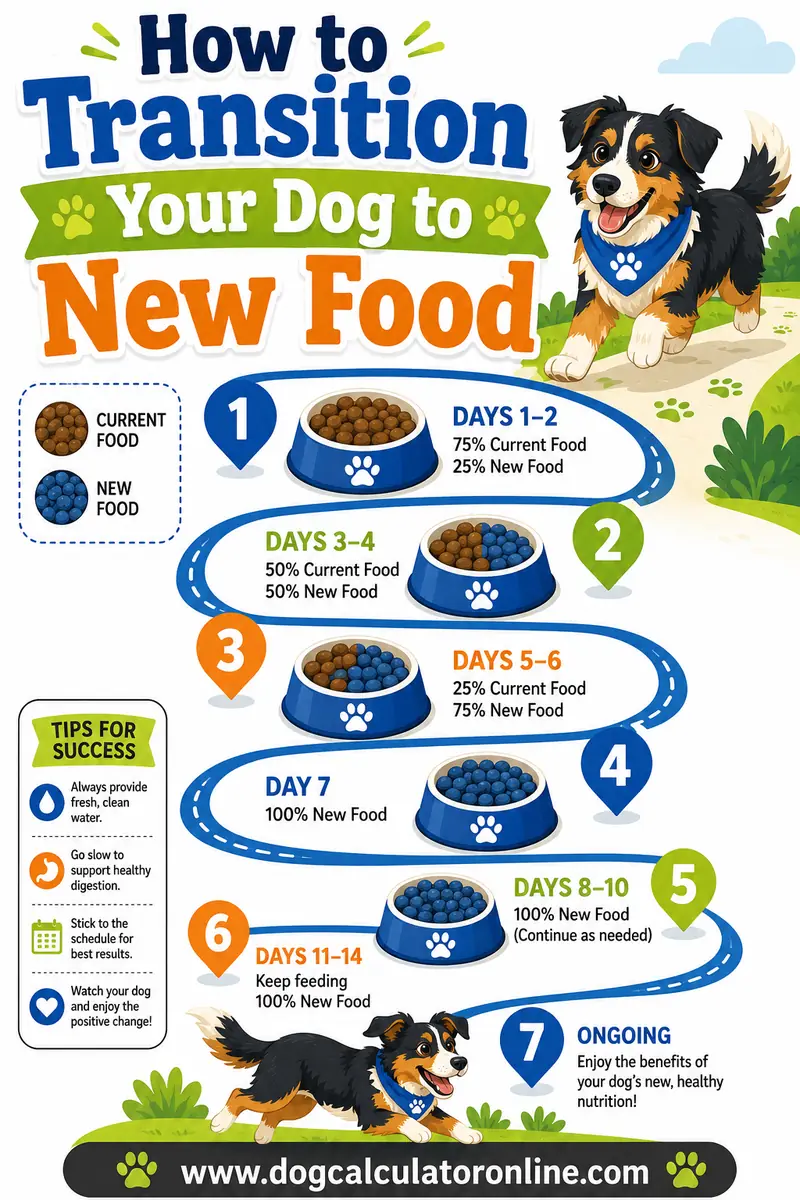
Do not change food abruptly on the strength of a news headline. A sudden diet change causes stomach upset, and there is no evidence that any particular timeline of switching matters here. If you do change, use the standard 7–10 day transition.
Look at where the legumes sit in the ingredient list. The FDA signal concerned diets where peas, lentils or other pulses were among the main ingredients — not foods containing a modest amount of peas. Remember to add up split entries: pea protein, pea flour and pea fiber listed separately can total more than they appear to.
Raise it at your next routine appointment. Bring a photo of the ingredient list and the guaranteed analysis. Ask specifically: given this breed, this age, this diet, is a cardiac check-up worth doing?
Take it more seriously if your dog is a predisposed breed. A Dobermann, Great Dane, Boxer, Irish Wolfhound, Newfoundland or Golden Retriever on a legume-heavy grain-free diet is a reasonable reason to ask about screening — typically an echocardiogram, sometimes with a blood taurine level.
Do not start taurine supplements on your own. Supplementing can mask a low level that a vet would otherwise want to measure, and it does not treat an undiagnosed heart problem. Ask first.
Watch your dog, not the internet. Exercise tolerance, breathing at rest, appetite and energy are the things that would change if something were wrong. Feeding the right amount matters far more day to day than the grain question does — see how much to feed your dog.
How to Choose Any Dog Food Well
Whatever you decide about grains, these are the questions that separate good foods from marketing.
Does it carry an AAFCO statement for the right life stage? And does that statement mention animal feeding tests rather than formulation alone? Feeding-tested is the stronger evidence.
Does the company employ a qualified nutritionist? A board-certified veterinary nutritionist or someone with a PhD in animal nutrition, on staff. Many brands do not employ one at all.
Does it own and control its manufacturing? "Manufactured by" beats "distributed by" for quality-control purposes.
Will they answer a direct question? Ring them and ask for a typical nutrient analysis and the calorie content. Companies that answer clearly are demonstrating something real.
Does your dog actually do well on it? Stable weight, good energy, firm stools, healthy coat. This is the outcome every other question is a proxy for.
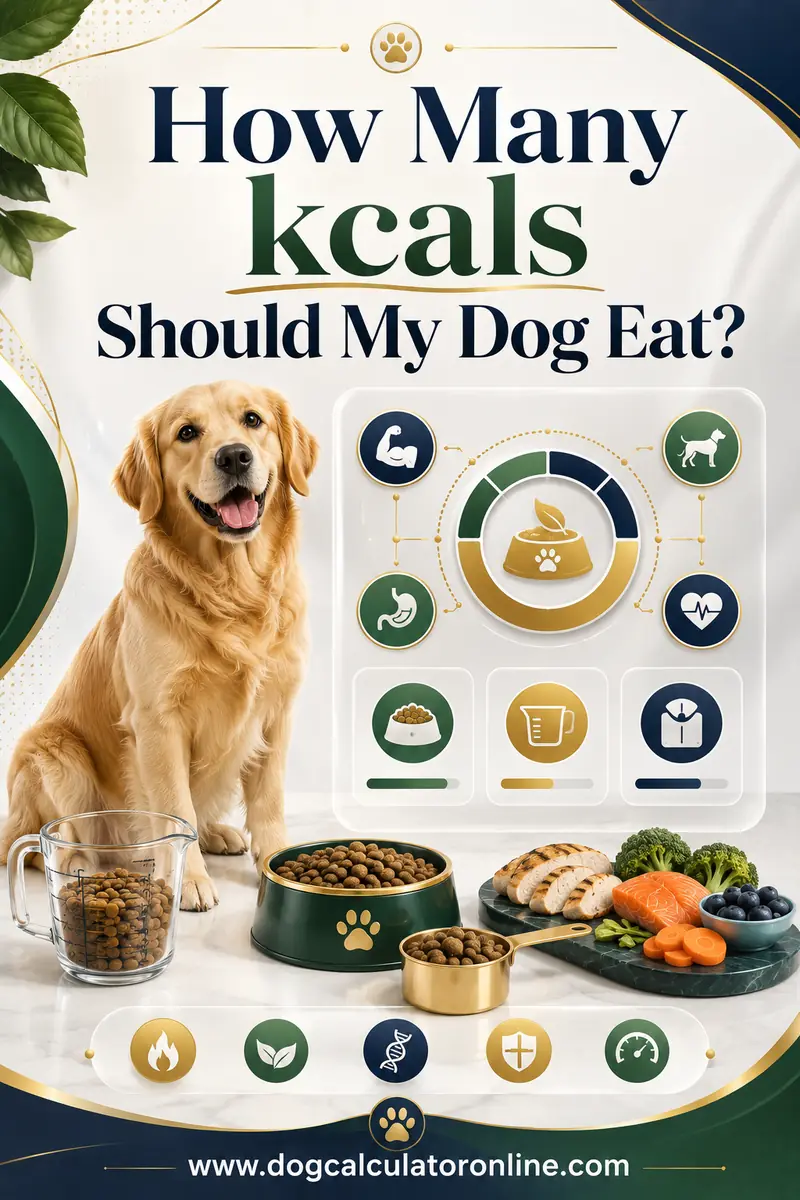
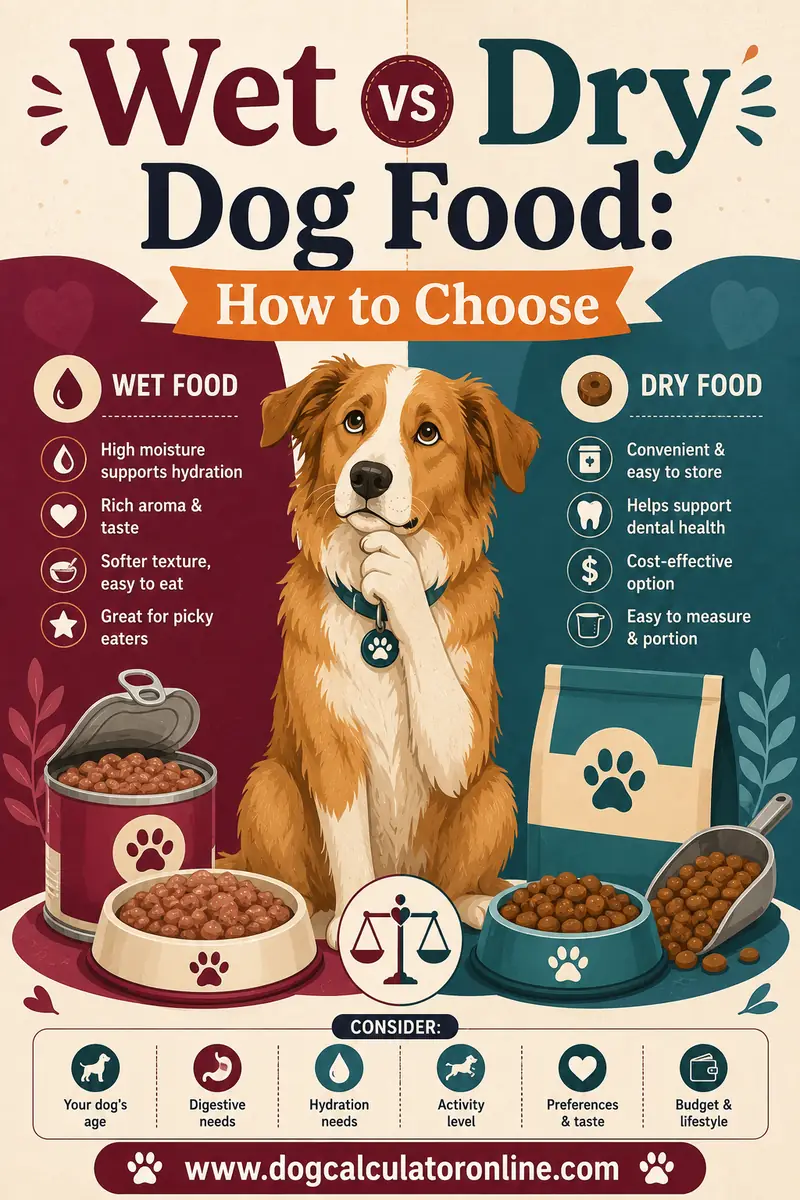
And is the amount right? More dogs are harmed by being fed too much of a perfectly good food than by the grain question. Pin the calories down with how many kcals your dog needs, and pick a format that suits your household — the wet vs dry comparison helps there.
What We Genuinely Do Not Know
Naming the limits of the evidence is more useful than pretending they are not there.
We do not know whether the association is causal. It may be. It may be a reporting artifact, a manufacturing issue in a subset of brands, or something else entirely.
We do not know the mechanism. Taurine explains some cases and not others. Proposed alternatives — effects of pulse ingredients on nutrient absorption, unidentified compounds, formulation errors — remain hypotheses.
We do not know the true incidence. Voluntary reporting cannot give you a rate, and the denominator — how many dogs eat these diets — is unknown.
We do not know whether "grain-free" is even the right variable. Several researchers have argued the useful distinction may be legume content or manufacturer practice rather than grain status.
We do know it is worth a conversation, not a panic. If the association turns out to be real, it appears to affect a small fraction of dogs eating these diets. If it turns out not to be, nobody was harmed by asking their vet.
And we know the evidence may change. That is what an open question means. Anyone telling you this is definitively settled — in either direction — is ahead of the science.
FAQ
Is grain-free dog food bad for dogs?
There is no proof that it is. The FDA investigated reports linking grain-free, legume-heavy diets to dilated cardiomyopathy and has not established a causal relationship. The question remains open. Most dogs do not need grain-free food, but there is also no evidence that most dogs eating it come to harm.
Does grain-free dog food cause heart problems?
Not proven. Reports of dilated cardiomyopathy in dogs eating diets high in peas, lentils and other legumes prompted an FDA investigation from 2018, but no causal link has been established and the mechanism is unknown. Discuss it with your vet, particularly for breeds already predisposed to heart disease.
Do dogs actually need grains in their diet?
Dogs do not have a specific requirement for grain, but they digest cooked starches well and grains are a useful source of energy, fiber and some nutrients. Dogs carry extra copies of the gene for starch digestion compared with wolves. Grain is neither necessary nor a problem for most dogs.
Are grain allergies common in dogs?
No. True food allergy is uncommon overall, and where it occurs the most frequently reported triggers are animal proteins such as beef, dairy and chicken rather than grains. Most itchy dogs are reacting to fleas or environmental allergens. Diagnosis needs a supervised elimination diet, not guesswork.
Should I switch my dog off grain-free food?
Not automatically, and never abruptly. Look at whether peas, lentils or other pulses are among the main ingredients, then raise it with your vet at your next appointment — sooner if your dog is a breed prone to heart disease. If you do change, transition over 7 to 10 days.
Is grain-free dog food more expensive?
Usually, yes — commonly 20–50% more per calorie than a comparable grain-inclusive food from the same brand tier. Comparing bag prices understates the gap, because calorie density differs. Work out cost per 1,000 calories to see the real difference.
An Open Question, Not a Verdict
Grain-free food is not a health upgrade, and for the vast majority of dogs it is not a necessity either. The safety question that hangs over legume-heavy formulas is real enough to be worth raising with your vet, and genuinely unresolved — no causal link has been shown, the mechanism is unknown, and the reported numbers are small against the size of the dog population. So do the unglamorous things instead: read the AAFCO statement, check who formulates and makes the food, watch your own dog's weight, energy and stools, and ask your vet directly if your breed or your dog's history gives you a reason to. Then get the portion right with the free dog food calculator, because how much you feed will affect your dog far more than whether there is rice in the bag.