Why Does My Dog Sleep So Much?
Most owners asking this question have a perfectly normal dog. Adult dogs sleep roughly 12 to 14 hours out of every 24, puppies closer to 18 to 20, and seniors often 16 to 18 — so a dog who appears to be asleep most of the time you see him is behaving exactly as the species does. What matters far more than the total is whether it has changed. A dog who has always dozed through the afternoon is a dog with a habit; a dog who has added three hours a day over the past month has a symptom, and that distinction runs through this entire page. Our dog age calculator tells you which sleep bracket your dog actually belongs in.
🐾 Is that amount of sleep normal?
Tap your dog’s life stage:
Tap an option above. A change from your dog’s own baseline matters more than any average.
How Much Sleep Is Actually Normal
Put a number on it before you decide anything is wrong.
| Life stage | Typical daily sleep | Notes |
|---|---|---|
| Newborn to 8 weeks | 20–22 hrs | Sleep is when growth happens |
| Puppy, 8 weeks to 6 months | 18–20 hrs | Needs enforced naps; overtired puppies bite |
| Adolescent, 6–18 months | 14–18 hrs | Still far more than owners expect |
| Adult, small and medium | 12–14 hrs | Including daytime napping |
| Adult, large and giant | 14–16 hrs | Big breeds genuinely sleep longer |
| Senior, 7+ or 5+ for giants | 16–18 hrs | Often broken, with more night waking |
These are 24-hour totals, not night-time totals. Owners routinely under-count because they only see the evening. A dog alone in a quiet house between 9am and 5pm is typically asleep for most of it.
Working breeds do not necessarily sleep less. A Border Collie with a full day sleeps as hard as anything else. What changes is how easily he wakes.
Weather and season shift it noticeably. Dogs sleep more in winter and in heat, and the swing can be an hour or two either way without meaning anything.
A single unusually sleepy day means very little. A big walk, a hot afternoon, a stressful visit or a vaccination all produce a flat day afterwards. Look at weeks, not days.
Why Dogs Sleep So Much More Than We Do
The architecture of dog sleep explains most of the difference.
Dogs are polyphasic sleepers. They take many short bouts through the day rather than one long consolidated block. That structure suits an animal that historically needed to be alert intermittently, and it is why your dog can be flat out and then fully operational in two seconds.
Their sleep cycles are much shorter than ours. A dog cycles through the stages in roughly 15 to 20 minutes, against about 90 minutes in humans. More cycles means more time spent entering and leaving sleep.
A smaller proportion of their sleep is REM. Estimates put dogs at around a tenth of sleep time in REM, against roughly a quarter in humans. Less efficient rest per hour arguably means more hours are needed to achieve the same result.
Much of what looks like sleep is drowsing. A dog lying with his head up, eyes half closed and ears still tracking is not asleep. A great deal of the "sleeping all day" complaint is actually this — and the position he adopts is the quickest way to tell them apart.
Normal Reasons a Healthy Dog Sleeps a Lot
Before the medical list, work through the ordinary explanations, because most cases end here.
Age at both ends of the curve. Puppies and seniors sleep dramatically more than middle-aged dogs, and both are entirely expected. A puppy who does not get enough sleep becomes frantic and mouthy rather than drowsy, which is why an enforced nap routine is one of the most useful things new owners do.
Boredom. A dog with nothing to do sleeps, because there is no alternative. This is the single most common cause of a healthy adult dog sleeping 16 hours a day, and it is easily tested — the dog wakes instantly and enthusiastically for anything interesting.
Size and breed. Giant breeds, and the more placid breeds generally, simply run at a lower idle. A Mastiff sleeping 16 hours is not a Mastiff with a problem.
The day before. Exercise, a long car journey, a day at daycare, a house full of visitors. Dogs pay these back with sleep, sometimes for two days.
Weather. Heat is the big one. A dog who is markedly less active in hot weather and panting more than usual is regulating temperature, and both should ease when the weather does.
The Question That Matters: Has It Changed?
This is the whole diagnostic method, and it is more reliable than any published average.
Averages describe populations; your dog has his own baseline. Twelve hours in a dog who normally sleeps nine is a bigger signal than sixteen hours in a dog who has always slept sixteen.
Look at the last four to six weeks. Gradual change over years is aging. Change over weeks is a symptom. Change over days is urgent.
Photographs and video help enormously. Owners are poor at recalling activity levels, and looking at footage from six months ago is often the moment the change becomes obvious.
Ask whether anything else changed at the same time. A new medication, a diet change, a house move, a lost companion animal, a change in your own hours. Sleep is sensitive to all of them.
Grief is real and it is temporary. Dogs who lose a household companion — animal or human — commonly sleep more, eat less and withdraw for a few weeks. If it has not lifted within about a month, treat it as a medical question rather than an emotional one.
Sleeping a Lot Versus Lethargy
These are different complaints and vets treat them differently, so it is worth using the right one.
Sleeping a lot describes quantity. Lethargy describes quality when awake. A dog who sleeps 16 hours and is then bright, keen for a walk and interested in food is sleeping a lot. A dog who is slow to rise, uninterested in a lead, disengaged, and who lies down again immediately is lethargic.
Lethargy is the more serious of the two by some distance. It is a non-specific sign present in a very large proportion of canine illness, and it is the word that will get you a same-day appointment.
The fastest test is a favorite trigger. A lead, a doorbell, a cheese wrapper. A healthy sleepy dog reacts. A lethargic dog either does not, or reacts and then gives up.
Note reluctance rather than inability. A dog who wants to come but struggles to stand may have a pain or mobility problem rather than a systemic illness, and that changes the direction of the investigation.
Medical Causes Worth Ruling Out
If sleep has genuinely increased, this is the list a vet will be working through.
Hypothyroidism. Probably the classic cause of a middle-aged dog slowing down. Weight gain despite unchanged food, coat thinning, skin problems, heat-seeking and low energy. It is a straightforward blood test and treatment is inexpensive and highly effective.
Anemia. Pale gums, weakness, exercise intolerance, faster breathing. Caused by blood loss, immune disease, parasites or bone marrow problems. Check the gums — they should be salmon pink; white, gray or very pale gums are an emergency.
Heart disease. Reduced exercise tolerance, coughing, faster breathing at rest, and reluctance to lie flat. Counting resting breaths per minute at home while the dog sleeps is a genuinely useful measure to bring to a vet — consistently over about 30 is worth reporting.
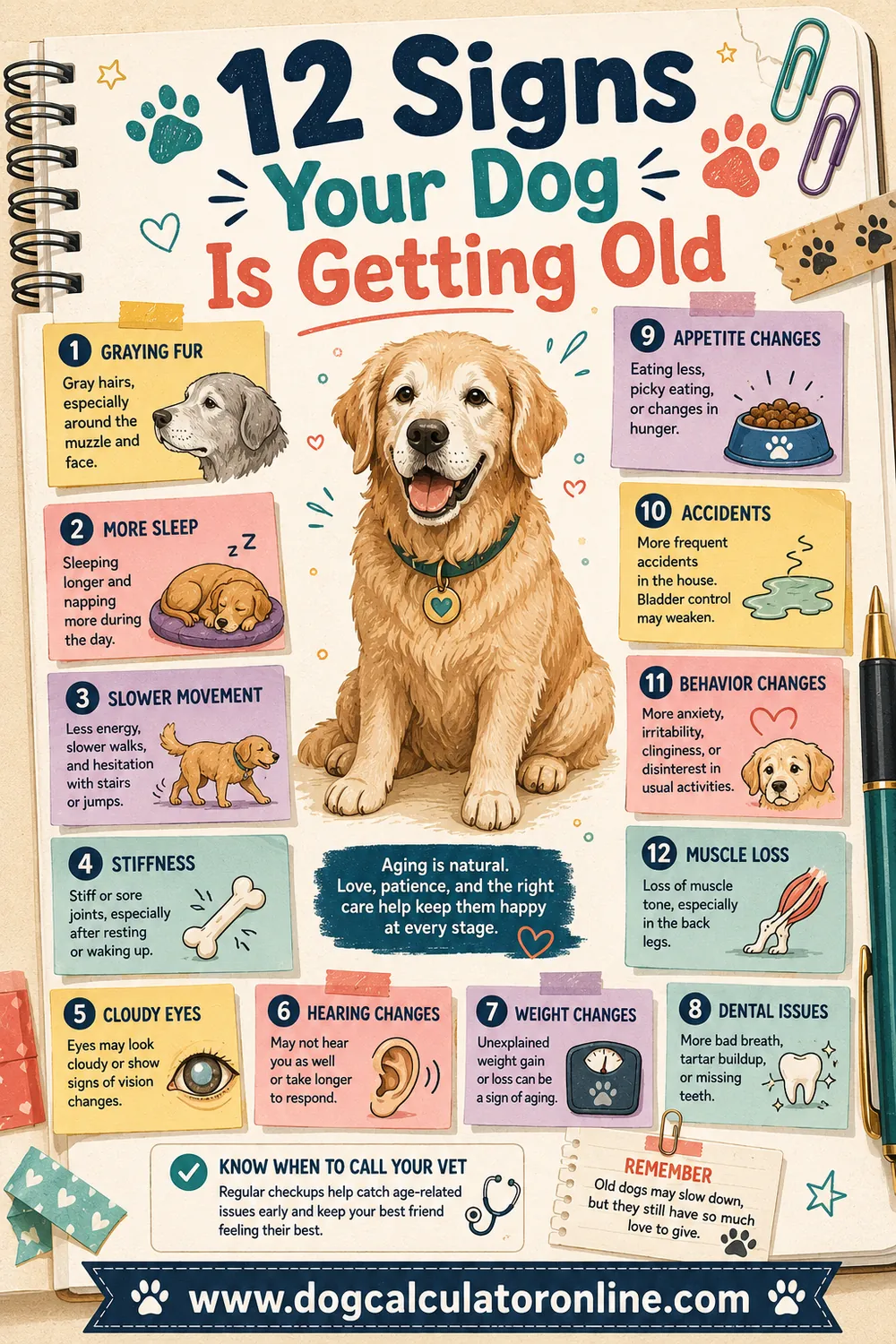
Pain, especially arthritis. The commonest cause in older dogs and the most frequently missed. Dogs in pain do not usually limp dramatically; they lie down more, hesitate on stairs, and stop asking for things. Many of the signs written off as old age are actually treatable pain.
Diabetes, kidney disease and Cushing's disease. All three commonly present as increased drinking and urinating alongside lethargy. Increased thirst is one of the more useful symptoms an owner can spot, because it is measurable — note how often the bowl needs refilling.
Infection and inflammation. Tick-borne disease in endemic areas, dental infection, and a range of others. Fever makes dogs sleep, exactly as it does in us.
Medication and diet. Antihistamines, some pain medications, gabapentin and trazodone all cause drowsiness. So does a diet change to a lower-calorie food. Check the timeline against the bottle.
Cognitive dysfunction in seniors. Typically flips the pattern — more daytime sleeping, more night-time restlessness — rather than simply adding hours.
When to Call the Vet
A clear threshold, because "he is just sleepy" is where a lot of illness hides.
Same day, without waiting: pale, white or blue-tinged gums; labored or very fast breathing; collapse or inability to stand; a distended, painful abdomen; unproductive retching; or a dog who cannot be roused properly.
Within a day or two: increased sleep plus any of increased drinking, appetite change, weight change, vomiting, diarrhea, coughing, or a new reluctance on stairs or in the car.
Within a couple of weeks: a sustained increase in sleep over four to six weeks with nothing else obvious. This is the appointment that finds hypothyroidism and early arthritis, and it is the one most often postponed.
Take numbers with you. Resting respiratory rate, an estimate of daily water intake, weight if you can get it, and a video of the dog moving. A consultation with data behind it is a much better use of the money a vet visit costs than a description from memory.
Do not accept "he is just getting old" without a blood test. Age is not a diagnosis, and a senior screen is the single most useful thing you can ask for in a dog over seven.
How to Tell If It Is Simply Boredom
If the health side is clear, this is where most healthy adult dogs land.
Test with a change, not with a theory. Add two 20-minute sniffing walks and a daily food puzzle for two weeks and see what happens. Bored dogs perk up markedly; ill dogs do not.
Sniffing tires a dog more than distance does. Twenty minutes of scent work is worth an hour of walking in a straight line for mental fatigue, and it is available to dogs who cannot manage long walks.
Match the day to the dog rather than to the clock. Our guide to how much exercise a dog needs sets realistic figures by breed group, and the mismatch between a working breed and a quiet household is the usual culprit.
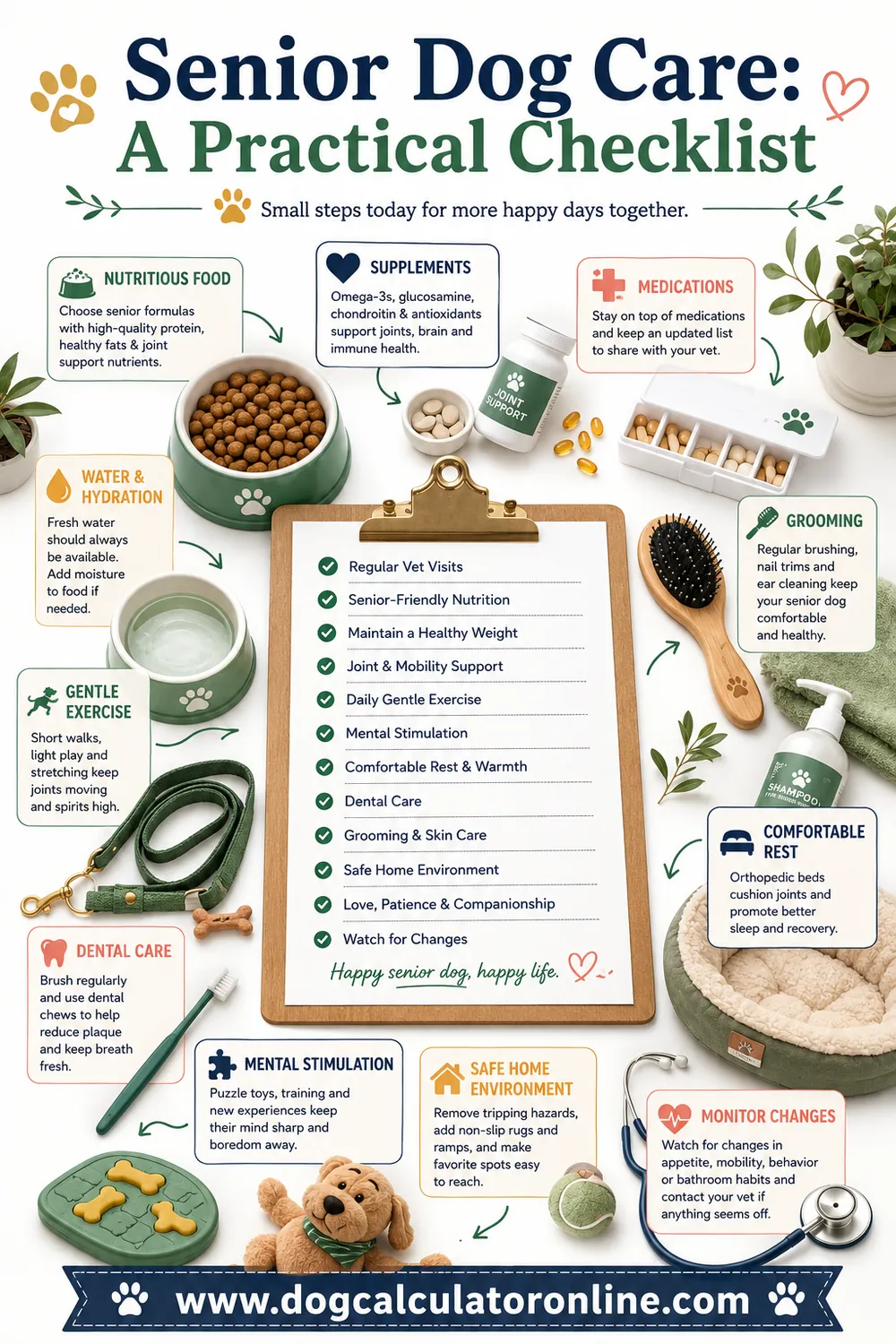
For older dogs, adapt rather than reduce. Shorter, more frequent outings, non-slip flooring, and an orthopedic bed do more for a stiff senior than rest does; the practical changes in our senior care guide are aimed at exactly this.
Do not wake a sleeping dog to entertain him. Enrichment before the nap, not during it. Dogs prevented from consolidating sleep become irritable, and puppies become impossible.
FAQ
How many hours a day should a dog sleep?
Around 12 to 14 hours for a healthy adult, 18 to 20 for a puppy, 14 to 16 for large and giant breeds, and 16 to 18 for a senior. These are 24-hour totals including daytime naps, so a dog asleep whenever you look at him is usually normal.
Is it normal for my dog to sleep all day while I am at work?
Yes. Dogs are polyphasic sleepers and a quiet empty house offers nothing else to do. What matters is what happens when you get home — a dog who wakes bright and keen is fine, while one who stays flat and disengaged is not.
When should I worry about my dog sleeping too much?
When the amount has increased noticeably over four to six weeks, or when sleep comes with increased drinking, appetite or weight change, coughing, vomiting, or reluctance to move. Pale gums, labored breathing or an inability to stand need same-day attention.
Do dogs sleep more as they get older?
Yes, typically 16 to 18 hours by the senior years, often with more broken nights. Gradual change is expected. A sharp increase over weeks is not, and pain and hypothyroidism are the two causes most often mistaken for normal aging.
Why does my dog sleep more in winter?
Shorter daylight, colder temperatures and less activity all contribute, and a shift of an hour or two either way with the seasons is normal. If the change is dramatic or comes with weight gain and a dull coat, ask about thyroid function.
My dog sleeps a lot but seems fine otherwise. Should I still get him checked?
If it is a genuine change from his own baseline, yes — a routine appointment rather than an urgent one. Hypothyroidism, early arthritis and the early stages of kidney disease all present as a dog who is simply quieter, with nothing else to see.
Track the Baseline, Not the Average
Published averages are useful for orientation and useless for diagnosis. The dog who matters is yours, and the measurement that matters is how he compares with himself six months ago. Get a rough sense of his normal day, notice if the total climbs, and pay particular attention to the quality of his waking hours — a dog who sleeps a great deal but is bright, hungry and keen for a walk is a dog with a comfortable life, while a dog who is slow to rise and disengaged when awake is telling you something different. Take numbers to the appointment rather than impressions, and do not let age stand in for a diagnosis. Our dog age calculator will place your dog on the curve in a few seconds.