Why Does My Dog Pant So Much? (Ask Your Vet)
Panting is a cooling system, not an emotion, and the most valuable thing an owner can learn is where the line sits. A dog's normal temperature is 101–102.5°F (38.3–39.2°C); heat stroke begins around 104°F (40°C) and becomes life-threatening by 106°F (41.1°C) — and the window between a hot dog and a dying dog can be under half an hour. Most panting is entirely normal. But panting at rest, in a cool room, with no exercise behind it, is one of the more useful abnormal signs in dogs, and it has a long list of causes behind it. This page covers both. This is general information and not a substitute for examining your dog — if in doubt, call your vet.
🐾 Is this panting normal?
Tap what you are seeing:
Tap an option above. Panting after exertion is cooling; panting at rest is a sign.
What Panting Is Actually Doing
Understanding the mechanism makes the danger points obvious.
Dogs cannot sweat to cool themselves in any meaningful way. They have sweat glands only in the paw pads and nose, and these contribute almost nothing to temperature control. Evaporation from the tongue, mouth and upper airway does nearly all of it.
Panting moves air fast over wet surfaces. A panting dog takes rapid shallow breaths — several hundred a minute in a hot dog, against a normal resting rate of 15 to 30 — tuned to the natural resonance of the airway so it costs surprisingly little energy.
It has hard limits. Evaporative cooling fails when the air is humid, because wet air cannot take up more moisture. A humid 85°F (29°C) day is far more dangerous than a dry 95°F (35°C) one, and this is why so many heat emergencies happen in muggy weather rather than in the hottest.
It also fails when the airway is compromised. Anything that narrows the airway — a flat face, a paralysed larynx, a collapsing trachea — reduces the dog's ability to cool himself, sometimes drastically.
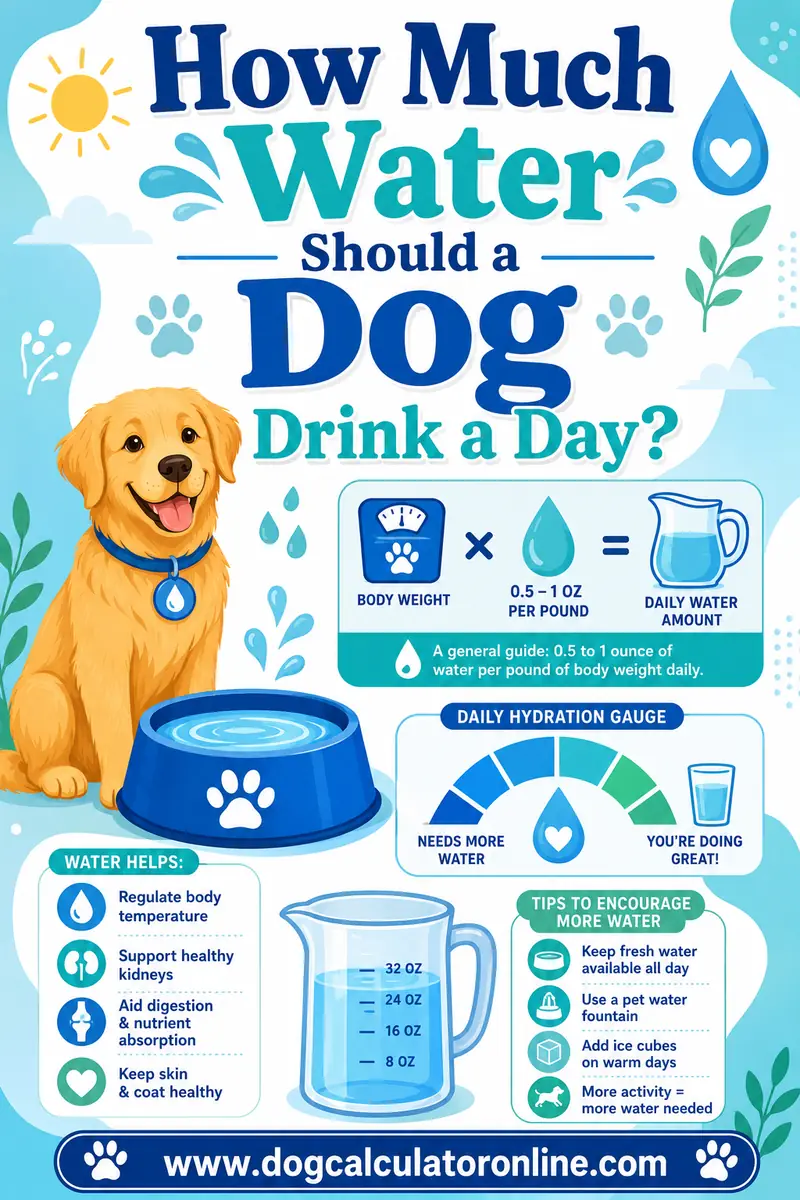
Water is part of the system. Panting loses fluid, and a dehydrated dog cools less efficiently. Free access to water matters more in heat than most owners realize; our guide to how much water a dog should drink gives the daily baseline.
Normal Panting Versus Panting That Is Not
Four questions separate them, and you can run all four in under a minute.
| Question | Normal | Concerning |
|---|---|---|
| Is there a reason? | Exercise, heat, excitement, a car ride | None — cool room, at rest, nothing has happened |
| Does it settle? | Eases within 10–20 minutes of stopping | Continues for hours, or never fully settles |
| What do the gums look like? | Salmon pink, moist | Brick red, pale, white, gray or blue |
| Is anything else wrong? | Bright, keen, drinking, normal posture | Wobbly, drooling, vomiting, restless, weak |
The single best question is "what changed?" A dog who has always panted a lot is showing you a trait. A dog panting more than he did a month ago is showing you a symptom.
Check the gums, because it takes three seconds and tells you a great deal. Lift the lip. Salmon pink and moist is normal. Brick red suggests overheating. Pale or white suggests anemia or poor circulation. Blue or gray is an emergency.
Capillary refill is the follow-up. Press a finger on the gum until it blanches and release. Color should return in under two seconds. Slower than that, in a panting dog, means call the vet now.
Count resting breaths when the dog is genuinely asleep. A sleeping dog should take fewer than about 30 breaths per minute. Consistently above that is one of the most useful numbers you can take to a consultation.
Heat Stroke: The Numbers and the Signs
This section is the reason the topic is urgent, and the figures are worth memorising.
Normal canine body temperature is 101–102.5°F (38.3–39.2°C). Heat stress begins above about 103°F (39.4°C). Heat stroke is generally defined from 104°F (40°C) upwards with accompanying signs, and above 106°F (41.1°C) organ damage becomes likely.
The early signs come before collapse. Heavy frantic panting that will not settle, thick ropey drool, bright red gums and tongue, a rapid heart rate, and a dog seeking cool surfaces and refusing to move.
The later signs are an emergency in progress. Wobbliness or a drunken gait, vomiting or diarrhea sometimes with blood, glazed eyes, collapse, seizures, and — a bad sign — a dog who stops panting despite still being hot.
Exertional heat stroke does not require a heatwave. A dog running hard at 75°F (24°C) can overheat, particularly if he is overweight, unfit, thick-coated, or flat-faced. Ball throwers are a common culprit precisely because dogs will not stop.
Cars are the classic scenario and they are worse than people think. A vehicle interior can climb more than 20°F (11°C) in ten minutes, and cracked windows make almost no difference. Never leave a dog in a car in warm weather, at all.
What to Do in the First Ten Minutes
Cooling comes first, and getting this right materially changes the outcome.
Move the dog out of the heat immediately — shade, indoors, or an air-conditioned car with the engine running.
Start active cooling straight away with cool or cold water. Current veterinary evidence supports cold water immersion or continuous dousing as the most effective method; the old advice to use only lukewarm water has not held up. Pour water continuously over the whole body, or immerse the dog up to the neck if you have somewhere to do it safely.
Add airflow. A fan or an open car window while driving substantially increases evaporative cooling. Water plus moving air beats water alone.
Do not drape wet towels over the dog and leave them. A soaked towel that stays on quickly becomes a warm insulating layer. If you use towels, keep re-wetting and replacing them.
Offer small amounts of cool water to drink if the dog is conscious and able to swallow. Never force water into a wobbly or collapsed dog.
Stop active cooling at around 103°F (39.4°C) if you can measure it. Cooling overshoots easily, and hypothermia is a real complication.
Then go to the vet regardless of how well he seems. This is the part owners skip. Heat stroke causes clotting abnormalities, kidney injury and gut damage that can appear many hours later, and a dog who looks recovered can deteriorate the same evening. Ring ahead so the practice is ready.
Flat-Faced Breeds and the Airway Problem
A distinct group who deserve their own section because the rules differ.
Brachycephalic obstructive airway syndrome is common in Pugs, French and English Bulldogs, Boxers and Boston Terriers. Narrowed nostrils, an overlong soft palate and a small windpipe all restrict airflow, which limits the exact mechanism these dogs need to cool themselves.
Noisy breathing is not normal, even if it is common in the breed. Snorting, snoring, rasping and gagging indicate obstruction. Many owners are told it is just how the breed sounds, and a great deal of manageable suffering is filed under that.
These dogs overheat at temperatures other dogs handle comfortably. Treat 75°F (24°C) as a caution point rather than 85°F (29°C), exercise early or late, and keep sessions short.
Excitement alone can trigger a crisis. A flat-faced dog who becomes over-aroused at the door can obstruct without any exercise involved, so calm greetings genuinely matter.
Surgery helps a great many of these dogs. Widening nostrils and shortening the soft palate can transform quality of life, and it is usually better done young. It is not cheap, which is one of the clearer arguments for pet insurance taken out before any signs appear.
Panting That Has Nothing to Do With Heat
If the room is cool and the dog is resting, this is the list to work through.
Pain is the most common single cause. Dogs in pain pant, and it is frequently the only visible sign. Panting that starts at night, comes with restlessness or an inability to settle, or appears after an incident, should be treated as pain until proven otherwise.
Anxiety and stress. Fireworks, thunder, a vet waiting room, a car journey. Stress panting comes with other signals — lip licking, yawning, pacing, whale eye — and stops when the trigger does.
Cushing's disease. Excess cortisol causes panting, increased drinking and urinating, a pot-bellied appearance, thin skin, hair loss and muscle weakness. It is common in middle-aged and older dogs and is diagnosed on blood testing.
Heart disease. Panting or fast breathing at rest, coughing, reduced stamina, and a reluctance to lie flat. A dog who has started sleeping propped up or sitting to breathe needs same-day assessment.
Anemia. Pale gums, weakness and panting as the body tries to compensate for reduced oxygen carriage.
Laryngeal paralysis. Classically an older large-breed dog, often a Labrador. Noisy raspy breathing, a change in the bark, gagging on water, and severe heat intolerance. It can escalate into a respiratory crisis in warm weather.
Fever and medication. Infection raises body temperature and drives panting, and steroids are a very common cause of new panting in an otherwise stable dog. Check the timeline against any recent prescription.
Obesity. Excess fat insulates and increases the work of breathing. It is one of the biggest modifiable risk factors for heat stroke, and adjusting the daily routine to match what your dog's breed group actually needs is a large part of the answer.
When to Call the Vet Today, and When to Go Now
A clear threshold, because delay is what turns manageable into fatal.
Go now, without finishing this page: suspected heat stroke; gums that are brick red, pale, white, gray or blue; collapse or an inability to stand; labored breathing with the neck extended and elbows out; a dog who stops panting but remains hot; unproductive retching with a swollen abdomen; or panting with seizures or disorientation.
Ring today: panting at rest in a cool room that has lasted more than a few hours; new noisy or raspy breathing; panting with coughing or reduced exercise tolerance; panting alongside vomiting, diarrhea or a swollen belly; or a resting sleeping breath rate consistently over 30.
Book this week: a gradual increase in panting over weeks; panting with increased drinking and urinating; panting alongside a marked increase in how much your dog sleeps; or panting that only happens at night.
Take numbers rather than impressions. Sleeping respiratory rate, an estimate of daily water intake, weight, and a video. It makes the cost of the consultation go considerably further.
Do not confuse post-exertion panting with a problem. A dog who has just finished a burst of zoomies or a hard run will pant heavily for a while, and that is the system working exactly as designed.
FAQ
How much panting is normal for a dog?
Panting that has an obvious cause — exercise, heat, excitement, a car journey — and settles within 10 to 20 minutes of the cause stopping is normal. Panting at rest in a cool room, with nothing to explain it, is not, and warrants a veterinary appointment.
At what temperature does a dog get heat stroke?
Heat stress begins above about 103°F (39.4°C) body temperature, with heat stroke generally defined from 104°F (40°C) upwards with clinical signs, and serious organ damage likely above 106°F (41.1°C). Ambient conditions matter less than humidity, exertion and the individual dog.
Should I use cold water or lukewarm water to cool an overheating dog?
Cool or cold water. Current veterinary evidence supports cold water immersion or continuous dousing as the fastest effective method, and the older advice about lukewarm water only has not held up. Add airflow, and go to a vet regardless of apparent recovery.
Why is my dog panting at night when it is not hot?
Pain is the most common explanation, and it is often the only sign. Anxiety, Cushing's disease and heart disease also cause night-time panting, and in older dogs cognitive change produces restlessness with panting. Any of those deserves a veterinary appointment.
Is heavy panting a sign of pain in dogs?
It can be, and it is one of the more reliable signs owners can spot. Look for it alongside restlessness, an inability to settle, reluctance to be touched in a particular area, or a change in posture. Dogs in pain rarely limp dramatically or vocalise.
My dog panted heavily on a hot walk but seems fine now. Should I still call?
If he was only warm and settled quickly with water and shade, monitoring is reasonable. If there was any wobbliness, vomiting, diarrhea, very red gums or drooling, call your vet even though he looks recovered — heat stroke complications can appear hours later.
Panting Is a Vital Sign
Treat panting the way you would treat a pulse: interesting only in context, but genuinely informative once you know the context. Panting with a reason behind it, settling within twenty minutes, in a bright dog with pink gums, is the cooling system working. Panting without a reason, at rest, in a cool room, is a symptom with a long differential that includes pain, hormonal disease, heart disease and airway obstruction, and it earns an appointment rather than a wait. In hot weather, keep the numbers in mind — 104°F (40°C) is where heat stroke begins, humidity matters more than air temperature, and cold water plus airflow is the correct first response, followed by a vet visit whatever happens next. Our dog age calculator is a useful reference when you are deciding how urgently to act.