How Much Water Should a Dog Drink a Day?
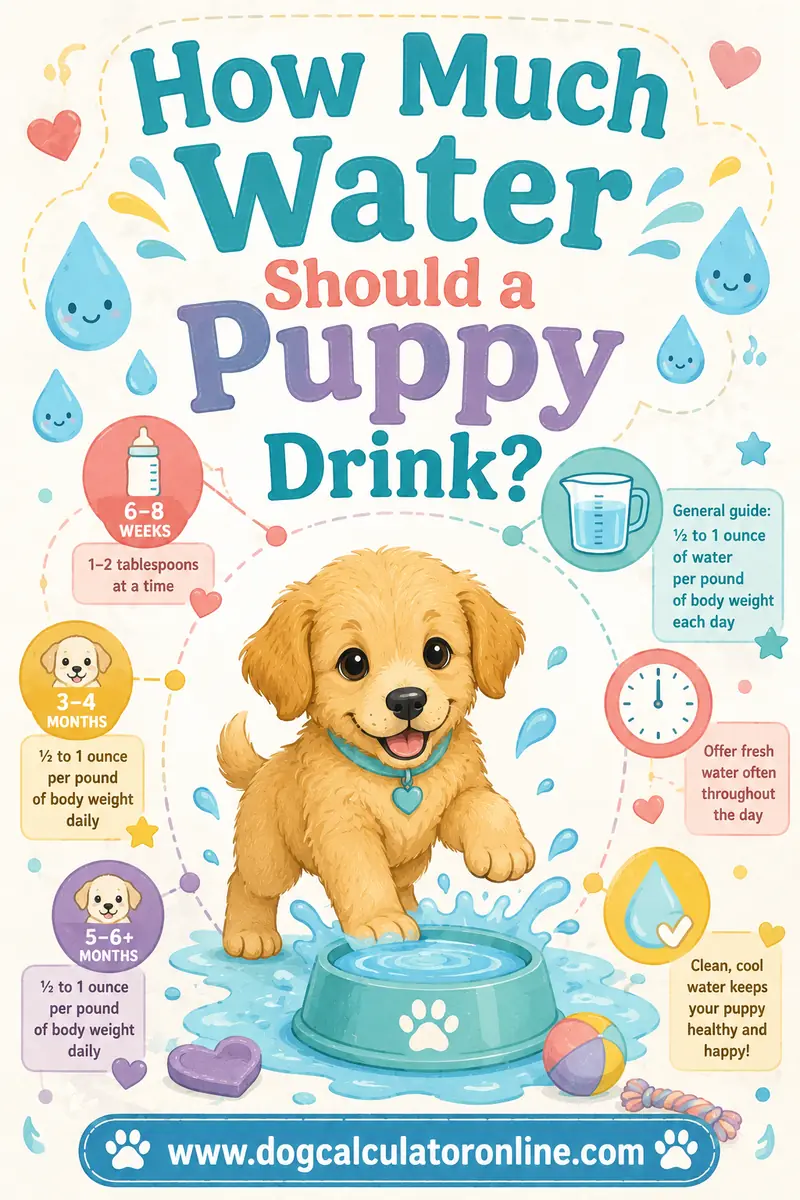
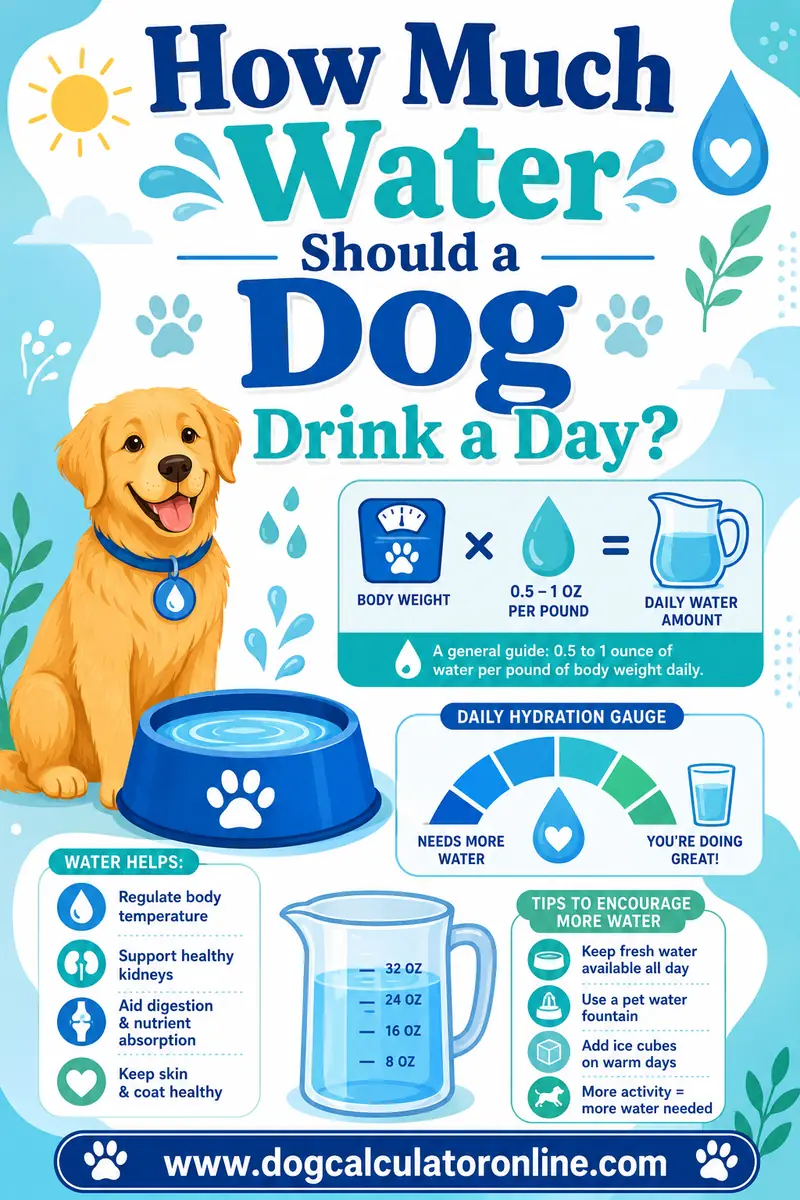
A healthy dog drinks roughly 1 ounce of water per pound of body weight per day — about 1¼ cups for a 10-lb dog, 3 cups for a 25-lb dog, 6 cups for a 50-lb dog, and around 10 cups for an 80-lb dog. The commonly cited veterinary range is 20–70 ml per kg per day, so normal has wide margins: heat, exercise, and diet (dry kibble vs wet food) all move the number substantially.
Water needs scale with body weight much like calorie needs do — the same inputs behind the free dog food calculator apply here. Below: the water chart by weight, what legitimately changes intake, how to actually measure it, and the drinking changes that are worth a vet call.
💧 Daily water check
Tap your dog’s weight for a typical daily water target:
Tap a weight above for an estimate. Heat, exercise, and wet food shift it.
The Water Chart by Weight
The 1-ounce-per-pound rule, laid out:
| Dog's weight | Ounces/day | Cups/day | Rough visual |
|---|---|---|---|
| 5 lb | ~5 oz | ~⅔ cup | A juice glass |
| 10 lb | ~10 oz | ~1¼ cups | A tall glass |
| 20 lb | ~20 oz | ~2½ cups | A large water bottle |
| 30 lb | ~30 oz | ~3¾ cups | Two tall glasses |
| 50 lb | ~50 oz | ~6¼ cups | A 1.5-liter bottle |
| 70 lb | ~70 oz | ~8¾ cups | Half a gallon, nearly |
| 100 lb | ~100 oz | ~12½ cups | Three-quarters of a gallon |
Treat these as midpoints, not mandates. The veterinary normal range (roughly 20–70 ml/kg/day) means a 50-lb dog could reasonably drink anywhere from about 2 to 6½ cups on a quiet day and still be fine. What matters clinically isn't hitting a number — it's a sustained change from your dog's own baseline, in either direction.
Unlike food, water isn't rationed: keep fresh water available at all times and let a healthy dog self-regulate. The chart's job is to tell you what "normal" roughly looks like so you can notice when your dog leaves it.
What Changes How Much a Dog Drinks
Before worrying about the bowl emptying faster, check the legitimate reasons:
- Diet is the big one. Dry kibble is ~10% moisture; canned food is ~75%. A dog on wet food gets a large share of its water in the bowl of food and may visibly drink far less — completely normal. Switch a dog from wet to dry and drinking jumps for the same reason.
- Heat and humidity. Panting is evaporative cooling — it spends water. Hot days can raise needs substantially, so summer drinking that's up from winter is expected.
- Exercise. A long hike or hard fetch session raises intake the same way it does for you. Offer water during and after; on warm days, bring it along.
- Age and life stage. Puppies drink more per pound than adults (small bodies, fast metabolisms, more accidents-in-progress — see how much water a puppy should drink). Nursing mothers drink dramatically more; milk is mostly water.
- Salty extras. A day heavy on salty treats or table food raises thirst — one more argument for keeping extras under about 10% of the diet.
- Some medications change thirst; your vet will usually flag this when prescribing (steroids are a well-known example). Never adjust a medication yourself — just mention drinking changes at the recheck.
How to Actually Measure It
Drinking problems are much easier to discuss with a vet when you arrive with numbers instead of impressions. The 24-hour audit:
- Fill the bowl with a measured amount — say 6 cups for a 50-lb dog.
- Top up only with measured additions through the day.
- Measure what's left after 24 hours; subtract to get intake.
- Repeat for 2–3 days, since single days vary.
Caveats worth knowing: multi-dog homes need separated bowls (or a per-dog observation day) to attribute intake; toilet-bowl drinkers and backyard puddle connoisseurs corrupt the data; and wet-food dogs will legitimately measure "low" at the bowl. Sloppy drinkers also splash a real fraction — a towel under the bowl catches the error term.
Baseline is the real prize. Do the audit once while your dog is healthy and note the number; a future "is he drinking more?" question becomes a measurement, not a memory.
Drinking Too Much: When Thirst Is a Symptom
A sustained, unexplained increase in drinking — especially past the ~70 ml/kg/day ballpark, or any obvious jump from baseline with matching increases in urination — is one of the most medically useful signals a dog owner can catch. Vets take it seriously because persistent excessive thirst and urination are classic early signs of several significant conditions, including diabetes, kidney disease, and Cushing's disease, among others.
Practical triggers for a vet call:
- Drinking noticeably more for more than a few days with no explanation (heat wave, hiking weekend, diet change)
- Excess thirst plus increased urination, accidents in a house-trained dog, appetite change, weight change, or lethargy
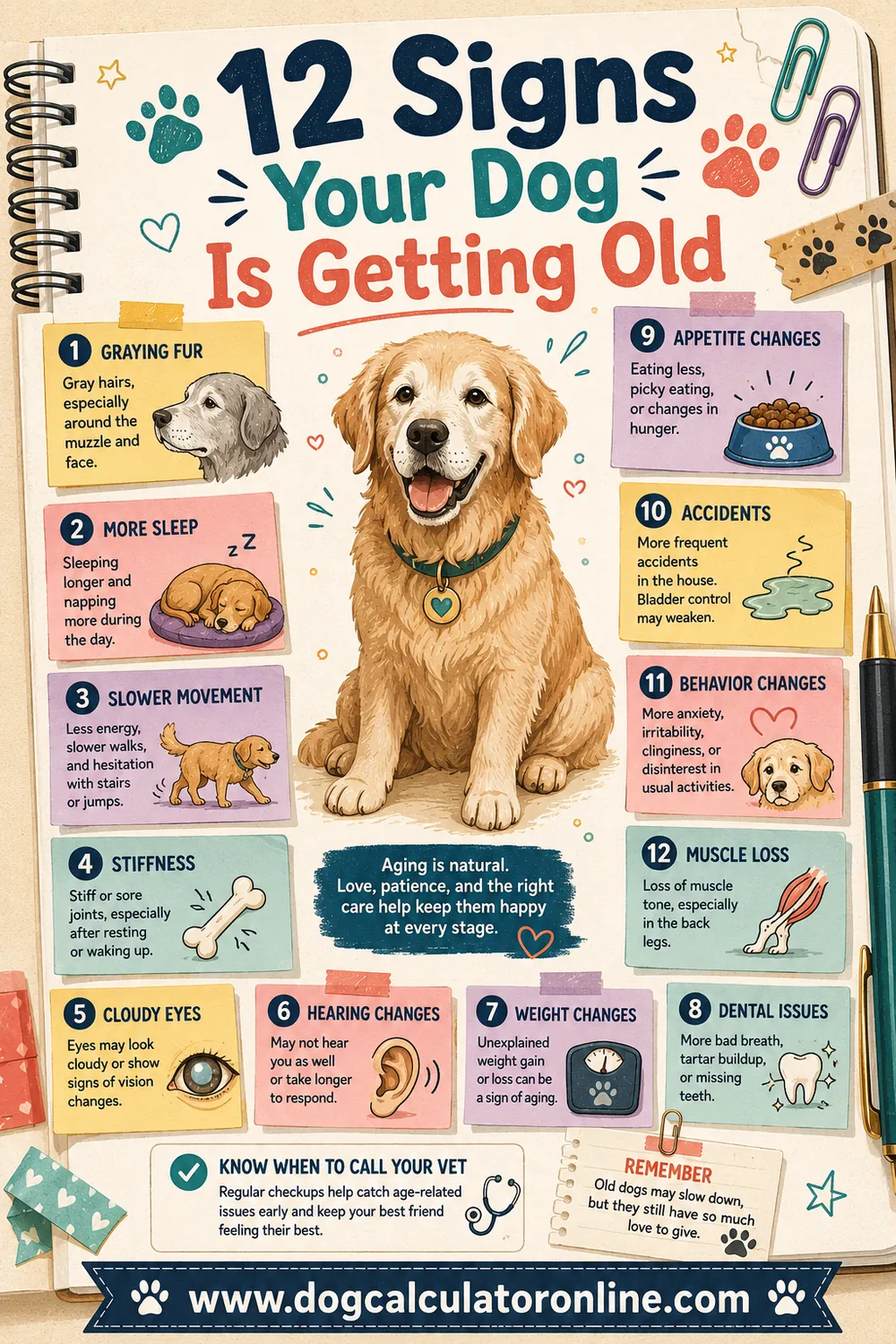
- A senior dog whose drinking climbs steadily — thirst changes are common early flags in older dogs (more in signs your dog is getting old)
Bring your measured numbers. And to be explicit about the safe move: never restrict water to "fix" over-drinking — dehydrating a dog whose body is demanding water can be dangerous. Diagnose first, with your vet.
Drinking Too Little: Dehydration Checks
Under-drinking has a shorter list of causes — nausea, mouth pain, stress, an unappealing bowl, or simply a wet-food diet doing its job — but the downside arrives faster, especially in small dogs, puppies, and seniors.
Two classic at-home checks (imperfect but useful):
- Gum check: gums should be moist and slick. Tacky or dry gums suggest dehydration.
- Skin tent: gently lift the skin between the shoulder blades; it should snap back promptly. A slow return suggests dehydration — though it's less reliable in older or thin dogs.
Encouraging a reluctant drinker: keep bowls scrupulously clean (slime is a real deterrent), refresh water daily, add bowls in more locations, try a pet fountain (moving water tempts many dogs), or add a splash of water to meals. A dog who can't keep water down, refuses water entirely, or shows dehydration signs alongside vomiting or diarrhea needs a vet the same day — dehydration compounds fast.
Water Quality and Logistics
The unglamorous details that solve most water problems:
- Wash the bowl daily — the biofilm slick that forms in a day is the top reason picky dogs snub the water. Stainless steel or ceramic beats scratched plastic.
- One bowl per floor of the house, plus one per dog in multi-dog homes, prevents guarding and rationing-by-laziness.
- Tap water is fine wherever you'd drink it yourself.
- Travel and hikes: bring water and a collapsible bowl. Standing puddles and lakes carry giardia and other unpleasantness — worth discouraging where you can.
- House-training season: some owners lift the water bowl an hour or two before bed during early house-training. Fine short-term — daytime access stays unrestricted.
Ice Cubes, Broth, and Other "Water Upgrades"
Plain water covers everything a healthy dog needs, but a few common additions come up constantly:
- Ice cubes are fine. The old internet claim that ice water causes bloat has no veterinary support — cold water is safe. The one real caution is dental: enthusiastic chewers can crack teeth on hard cubes, so offer smaller pieces or let them melt a bit. On hot days, a few cubes in the bowl is a perfectly good trick.
- Broth counts, with conditions. A splash of plain, low-sodium broth in water or over food is a popular way to tempt a reluctant drinker, and the liquid genuinely counts toward intake. Read the label first: it must be free of onion and garlic (both toxic to dogs), and heavily salted broths defeat the purpose. Treat it as an occasional nudge, not the default.
- Milk isn't a water substitute. Many adult dogs handle lactose poorly, and the usual result is diarrhea — which costs more water than the milk delivered.
- "Dog water" products are optional at best. Flavored and fortified waters sold for pets have no established advantage over a clean bowl of tap water. Spend the money on a second bowl instead.
FAQ
How much water should a dog drink in a day?
Roughly 1 ounce per pound of body weight — about 3 cups for a 25-lb dog, 6 cups for a 50-lb dog. The normal range is wide (about 20–70 ml/kg), and heat, exercise, and diet shift it.
Is my dog drinking too much water?
Compare against baseline and the ~1 oz/lb ballpark. A sustained unexplained increase — especially with more urination — warrants a vet visit; excessive thirst is a classic early sign of diabetes, kidney disease, and other conditions.
Why does my dog on wet food barely drink?
Canned food is around 75% water, so much of the day's intake arrives in the food bowl. Lower drinking on a wet-food diet is normal as long as energy, gums, and urination look fine.
How long can a dog go without water?
Not long safely — dehydration effects can begin within a day, faster in heat, puppies, small breeds, and seniors. Water should be freely available at all times; a dog refusing water for a day needs a vet.
Should I limit my dog's water?
No — healthy dogs self-regulate, and restricting water is risky. The exception is briefly lifting the bowl before bedtime during puppy house-training. If drinking seems excessive, measure it and see your vet rather than rationing.
Is it normal for my dog's drinking to vary a lot day to day?
Yes — a hot afternoon, a long walk, or a wet-food dinner can easily double or halve a single day's intake. That's why the useful comparison is a multi-day average against your dog's own baseline, not any one day against the chart.
Do puppies need more water than adult dogs?
Per pound, yes — puppies run higher intake, often quoted around a half cup every couple of hours for young pups. The details are in our puppy water guide.
The Bottom Line
Plan on about an ounce of water per pound of dog per day, keep the bowl full, clean, and everywhere — and pay attention to changes more than totals, because a sustained shift in thirst is one of the earliest health signals your dog will ever give you.
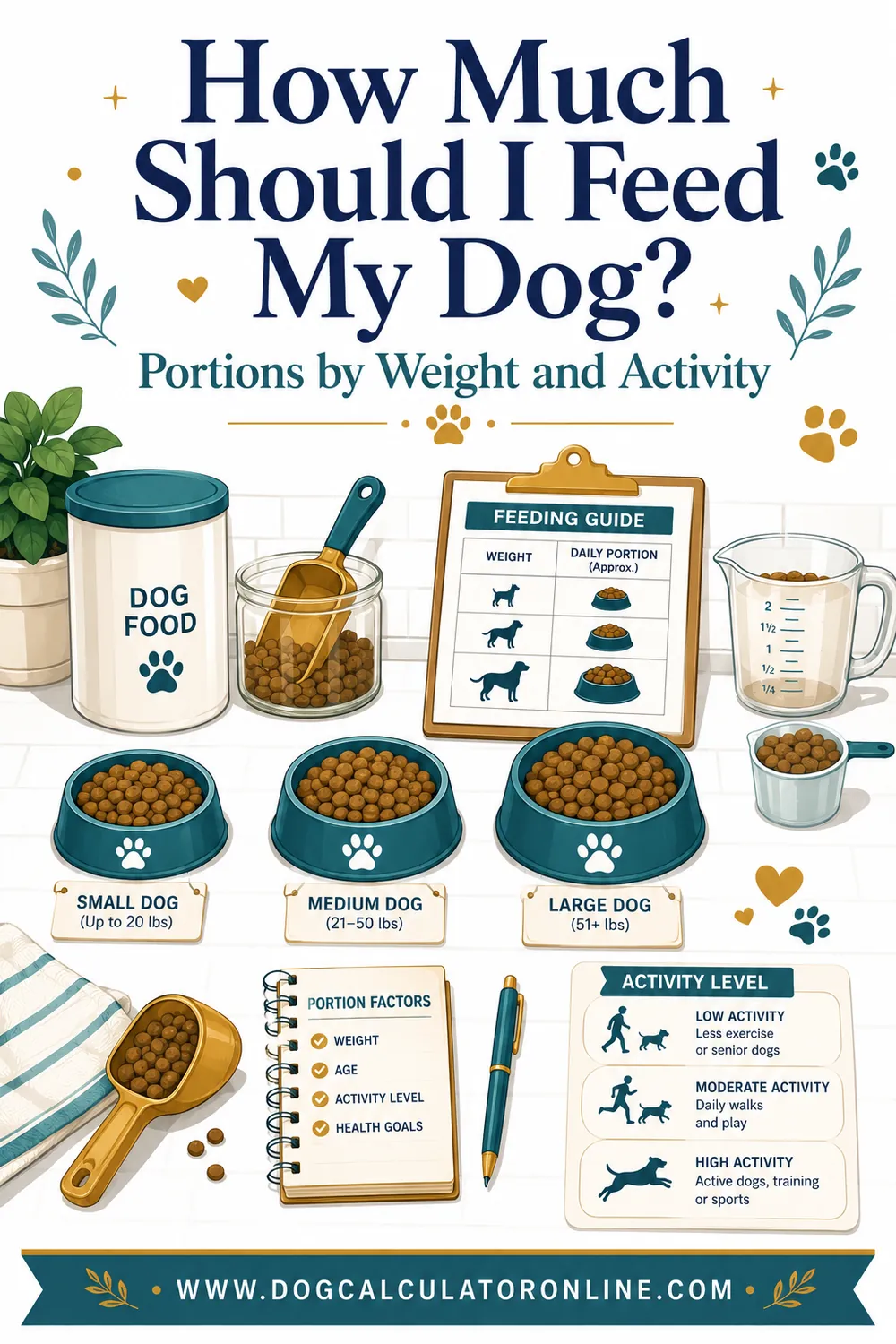
Water scales with weight the same way food does: get your dog's feeding numbers from the free dog food calculator, and see how much to feed your dog for the other half of the bowl equation.