How to Help Your Dog Live Longer
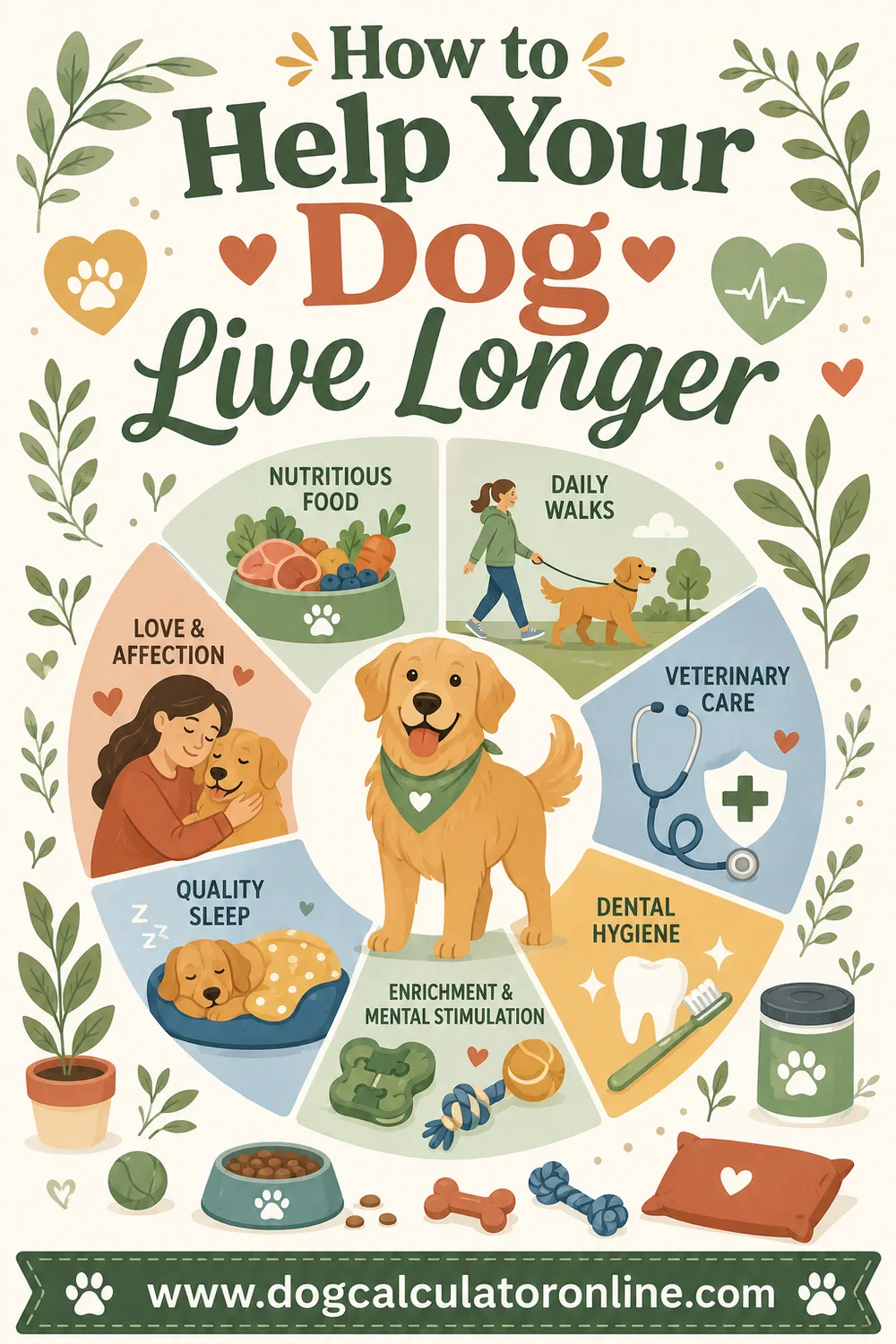
The most powerful thing you can do to help your dog live longer is keep them lean — a landmark study found lean-fed dogs lived meaningfully longer than overweight littermates. After that: consistent dental care, daily exercise, regular vet checkups, a balanced diet, mental enrichment, a safe environment, and staying alert to early warning signs. None of it is exotic, and together it can add healthy years.
Knowing your dog's real age helps you time these habits right. Our free dog age calculator shows their human-year equivalent, so you can start "middle-aged care" at the right moment for their size.
🐾 Longevity habit picker
Tap a habit to see its biggest payoff:
Tap a habit above.
First, a Reality Check on What You Control
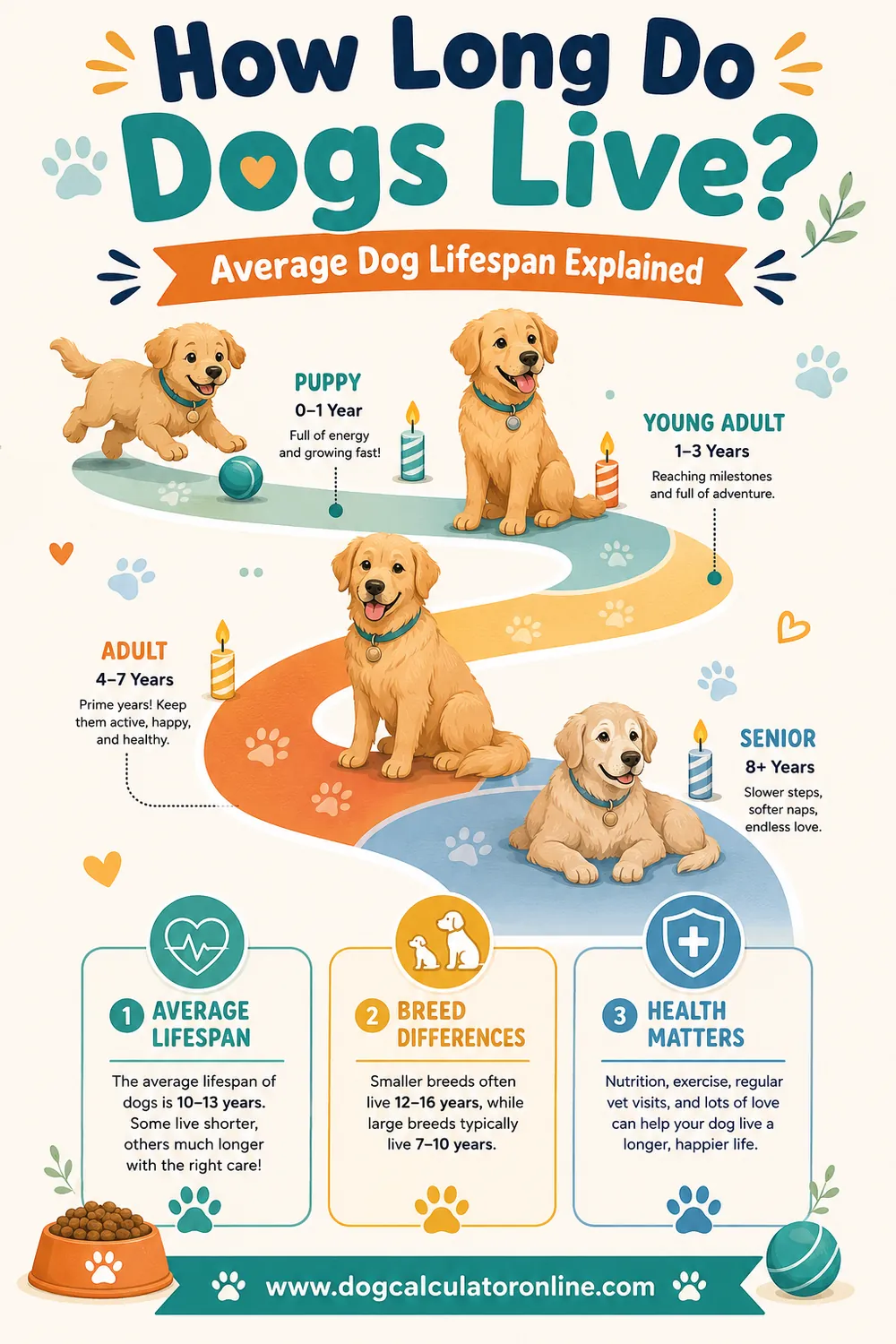
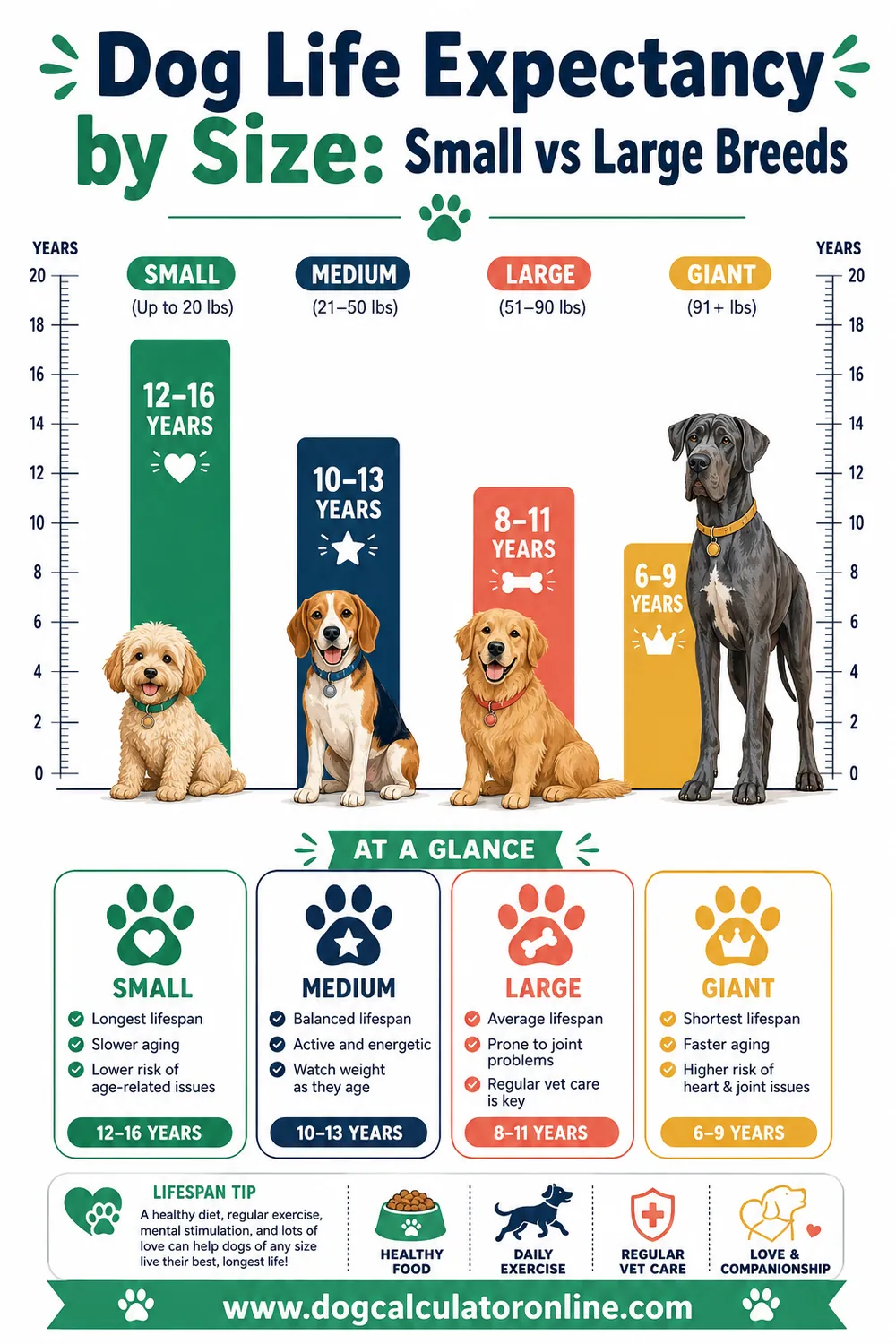
Genetics and size set the outer limits. Small dogs average 12–16 years, giants just 7–10, and no habit turns a Great Dane into a Chihuahua. What you can do is move your dog toward the top of their natural range and — more importantly — make the years they get healthier and more comfortable.
The good news: the highest-impact habits are also the least glamorous. No supplement or gadget comes close to the basics below, and they're ranked roughly by how well the evidence supports them.
1. Keep Your Dog Lean (The Big One)
If you do nothing else, do this. In a well-known lifetime study of Labrador littermates, dogs kept at a lean body condition lived meaningfully longer than their overweight siblings — and developed age-related disease later. Excess weight isn't cosmetic; it stresses joints, strains the heart, worsens arthritis, and is linked to a shorter life.
The at-home body-condition check:
- Ribs: you should feel them easily under a thin layer of fat, without pressing hard.
- Waist: visible from above, an hourglass rather than a sausage.
- Tuck: the belly should rise up from the ribs to the hips when viewed from the side.
If your dog fails the check, talk to your vet about portions rather than crash-dieting. Practical levers: measure meals with a real cup or scale, keep treats under about 10% of daily calories, and recheck portions as your dog ages and slows down. Our free dog food calculator gives a sensible starting estimate — then confirm with your vet, since every dog's needs differ.
2. Take Dental Care Seriously
Dental disease is one of the most common problems in adult dogs, and it's more than bad breath. Chronic infection in the mouth is linked to strain on the heart, kidneys, and liver — so caring for teeth is caring for the whole dog.
- Brush with dog toothpaste (never human toothpaste) — even a few times a week helps.
- Use vet-approved dental chews as a supplement, not a replacement.
- Get professional cleanings when your vet recommends them.
- Watch for trouble: dropping food, chewing on one side, or reluctance with hard kibble can signal mouth pain.
Started young, dental care is one of the cheapest longevity investments there is.
3. Exercise Every Day (Right-Sized)
Daily movement keeps weight in check, preserves the muscle that supports aging joints, and benefits heart, mind, and mood. But "right-sized" matters:
- Young adults thrive on vigorous daily activity — this is peak athletic life.
- Seniors need gentler, consistent exercise — often two or three shorter walks rather than one long trek.
- Big-breed puppies should stick to free play over forced repetitive running until their vet confirms growth plates have closed, to protect developing joints.
- Avoid the weekend-warrior trap: nothing all week then a two-hour adventure invites injury at every age.
Swimming, sniff walks, and gentle fetch all count. Consistency beats intensity.
4. Don't Skip Vet Checkups
Regular veterinary care catches problems while they're small and manageable — which, for many age-related conditions, is the difference between years of good management and a late-stage crisis.
- Young and mature adults: annual wellness exams, plus a baseline blood panel toward middle age (around 5–6 for big dogs, ~7 for small).
- Seniors: twice-yearly visits with bloodwork and urinalysis. Six months is a big slice of a fast-aging life.
- Stay current on core vaccinations and parasite prevention — heartworm, flea, and tick prevention head off diseases that genuinely shorten lives.
The first "normal" senior blood panel isn't wasted — it's the baseline that makes a later change obvious.
5. Feed a Complete, Balanced Diet
Nutrition fuels every other habit on this list. The essentials, without the marketing:
- Choose a food that meets established nutrient standards for your dog's life stage. Look for a diet formulated to a recognized nutritional profile.
- Match the life stage: puppy formulas for growth, adult for maintenance, and a vet-guided senior diet when the time comes.
- Measure portions rather than free-pouring — feeding guides on the bag are starting estimates for an average dog, not a prescription for yours.
- Be cautious with fads and unbalanced homemade diets. If you want to home-cook, work with your vet or a veterinary nutritionist so the diet is actually complete.
Talk to your vet before adding supplements; evidence varies, and a balanced diet already covers most dogs' needs.
6. Keep the Brain Busy
Mental stimulation is part of healthy aging, not a luxury. Engaged brains age better, and enrichment reduces the boredom-driven stress and problem behaviors that wear on both dog and owner.
- Sniff walks — let the nose lead; scenting is a genuine brain workout.
- Food puzzles and snuffle mats turn meals into problem-solving.
- Ongoing training — short, upbeat sessions at any age. Old dogs learn new tricks just fine.
- Novelty within routine — new routes, new toys, new people and dogs (positively introduced).
7. Make the Environment Safe
A depressing share of dog deaths are preventable accidents, not disease. Basic safety buys years:
- Prevent roaming. Secure fencing and reliable recall keep dogs away from traffic, toxins, and fights — free-roaming dogs live far riskier lives.
- Toxin-proof the home. Keep human medications, xylitol-sweetened products, chocolate, grapes/raisins, and cleaning chemicals well out of reach. If you suspect poisoning, contact your vet or an animal poison line immediately.
- Buckle up for car rides with a crash-tested harness or secured crate.
- Mind the weather. Never leave a dog in a hot car, and protect against heatstroke and extreme cold.
8. Catch Warning Signs Early
You see your dog every day, which makes you the best early-detection system they have. Contact your vet promptly for:
- Unexplained weight loss (or gain)
- Increased thirst and urination
- Any new lump or bump
- Persistent coughing, vomiting, or diarrhea
- Sudden drops in energy or appetite
- New limping or stiffness
- Behavior or personality changes
A simple monthly habit — weigh your dog, run your hands over their whole body, note appetite and energy — turns vague impressions into trends you can show a vet. Early beats late almost every time.
The Longevity Habits, Ranked
| Habit | Evidence strength | Effort |
|---|---|---|
| Keep lean | Strongest | Ongoing, low |
| Regular vet care | Strong | Twice yearly (senior) |
| Dental care | Strong | Daily-ish |
| Daily appropriate exercise | Strong | Daily |
| Balanced diet | Strong | Ongoing |
| Safe environment | Strong (accident prevention) | One-time + habits |
| Mental enrichment | Moderate | Daily-ish |
| Early symptom detection | Strong (management) | Monthly + ongoing |
What This Looks Like as an Actual Routine
Eight habits sounds like a lot until you sort them by cadence — then it collapses into a very manageable rhythm:
Every day (15–45 minutes total):
- Measured meals, treats counted against the 10% budget
- A walk or play session sized to your dog's age
- A quick tooth-brush (even most days is a win)
- Some sniffing, a puzzle feeder, or a two-minute training game
Every week:
- One honest look at body shape — waist from above, tuck from the side
- A slightly novel outing: new route, new park, new smells
Every month:
- Weigh your dog and jot it down
- Hands-over-the-whole-body check for lumps, sore spots, and coat changes
- Heartworm and flea/tick prevention on schedule
Once or twice a year:
- Wellness exam (annual for adults, every six months for seniors)
- Portion review as activity and age change
- A fresh look at the house: fence gaps, new hazards, aging-dog comforts
That's the entire program. Nothing on the list costs much or takes long — the difficulty is only consistency, which is exactly why dogs with routine-loving owners tend to be the ones that reach the top of their lifespan range.
Related Guides
If this helped, these go deeper on the same question:
- How Long Do Dogs Live? Average Dog Lifespan Explained
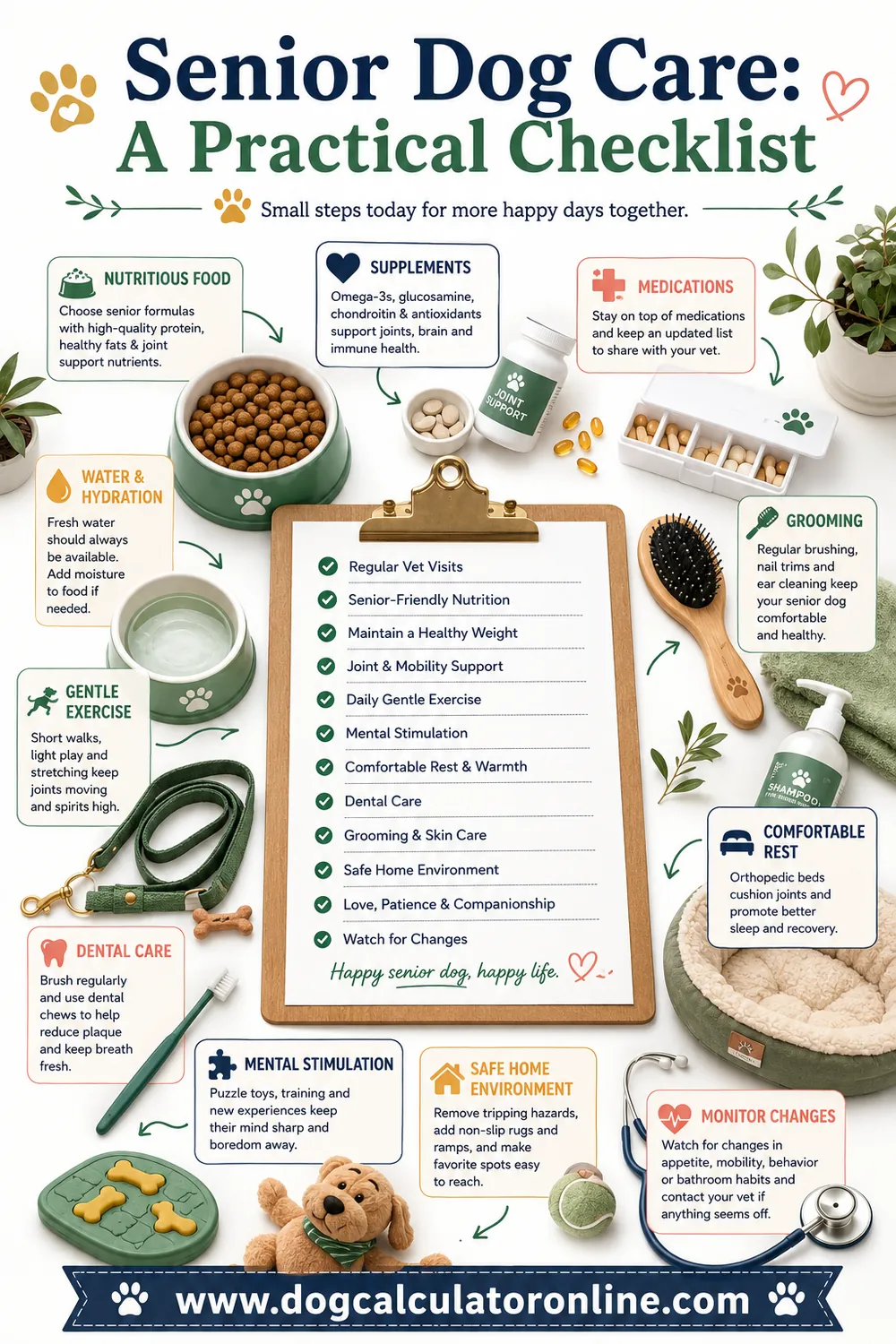
- Senior Dog Care: A Practical Checklist
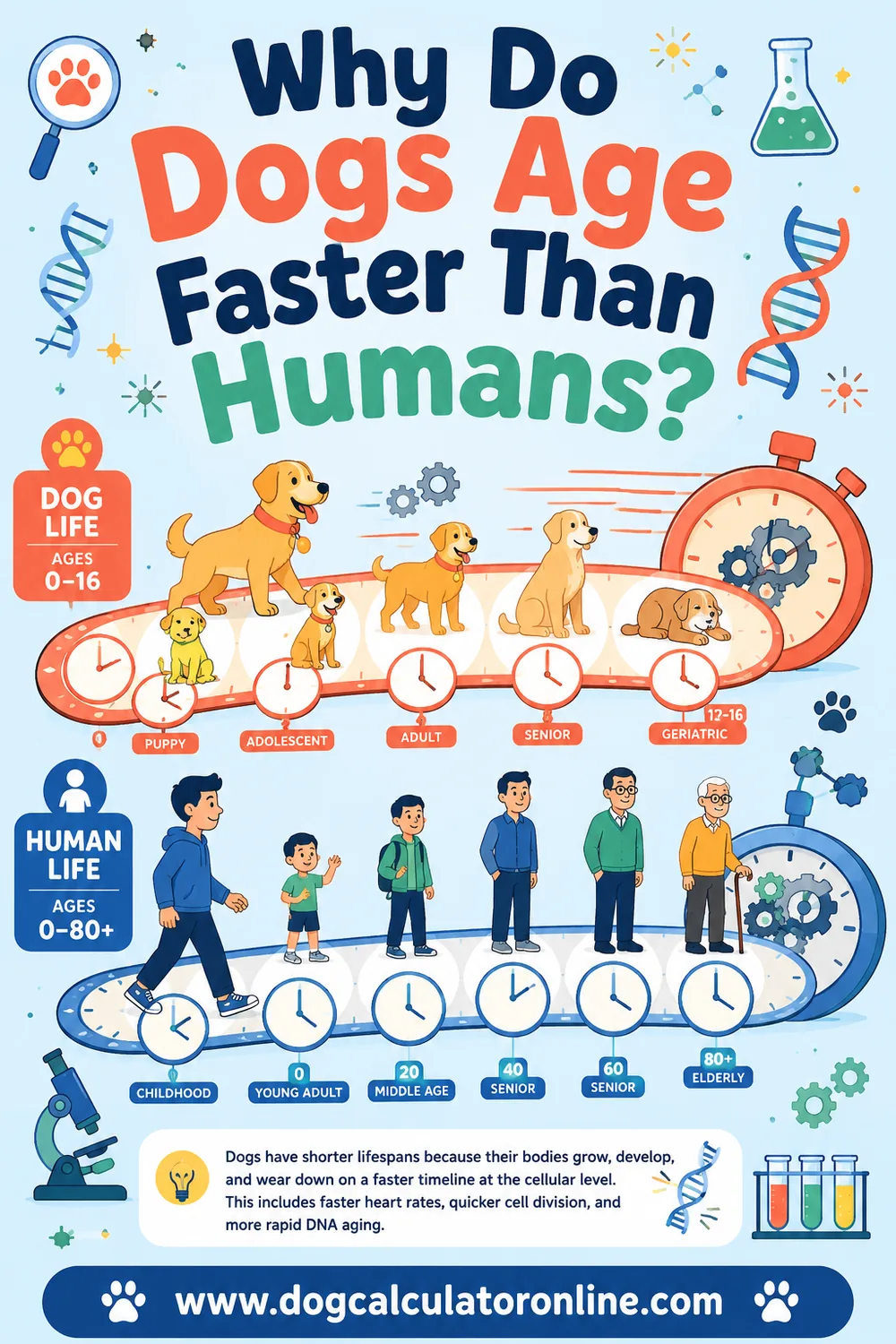
- Why Do Dogs Age Faster Than Humans?
And if you just want your own dog's number, the free dog age calculator does it in one tap.
FAQ
What's the single best thing to help my dog live longer?
Keep them lean. A landmark lifetime study found lean-fed dogs lived meaningfully longer and developed age-related disease later than overweight littermates. It's the best-documented lever owners control.
Do supplements help dogs live longer?
Evidence varies and most healthy dogs on a complete, balanced diet don't need them. Some (like certain joint supports) may help specific dogs — ask your vet before adding anything.
How much exercise does my dog need to stay healthy?
Daily movement scaled to age and size: vigorous activity for young adults, gentler consistent walks for seniors, and free play (not forced running) for big-breed puppies. Consistency matters more than intensity.
Can I really add years to my dog's life?
You can't override genetics or size, but lean weight, dental care, exercise, checkups, and a safe environment reliably move dogs toward the top of their natural range and improve the quality of the years they get.
How often should my dog see the vet?
Annually for healthy young and mature adults, and twice a year for seniors, typically with bloodwork. Puppies and sick dogs need more frequent visits.
When should I start "senior" care habits?
Around 5–6 for large and giant breeds and about 7 for small and medium dogs. Our free dog age calculator shows your dog's human-year equivalent so you can time it right.
Does spaying or neutering help my dog live longer?
On average, altered dogs live somewhat longer — sterilization removes some reproductive cancer and infection risks and reduces roaming-related accidents. But timing can interact with joint and cancer risk in some breeds, so it's an individual decision to make with your vet.
Is a raw or homemade diet better for longevity?
Not inherently. What matters is that the diet is complete and balanced for your dog's life stage. Unbalanced homemade diets can cause more harm than good — if you want to home-cook, work with your vet or a veterinary nutritionist so nothing essential is missing.
The Bottom Line
You can't change your dog's genes or turn back their fast biological clock — but keeping them lean, caring for their teeth, exercising them daily, feeding a balanced diet, and staying on top of vet care genuinely shifts the odds toward more good years. The best longevity plan is a stack of boring, consistent habits.
Start by knowing where your dog stands: enter their age and weight into the free dog age calculator to see their human-year equivalent, then match your care to the life stage it reveals.