How to Help a Dog in Heat (Ask Your Vet)
Helping a dog in heat comes down to three things: keep her comfortable, manage the mess, and prevent an unwanted mating — all while never giving any medication without your vet's guidance. Most dogs get through their 2-to-4-week heat with nothing more than patience, washable bedding, secure containment, and a calmer routine. There's no need to "treat" a normal heat; your job is to support her through it and keep her safe.
A few situations do call for a vet, and we'll cover those clearly. If a mating happens during the fertile window, the free dog pregnancy calculator turns a mating date into a due-date window in seconds. Below: comfort, mess management, containment, behavior support, what to avoid, and the signs that mean it's time to call your vet.
🐾 How can I help her right now?
Tap what you need help with:
Tap an option above. When in doubt about her health, ask your vet.
First, Know What "Helping" Means
A heat is a normal, healthy process — not an illness to cure. So "helping" isn't about fixing anything; it's about making a slightly uncomfortable, hormonally busy few weeks easier for both of you. Most dogs need surprisingly little: a calm home, clean bedding, secure containment, and an owner who cuts them some slack for odd behavior.
That framing matters because it steers you away from the biggest mistake — reaching for medications or supplements to "manage" a heat. Don't. Any medication decision around a heat cycle belongs to your vet, full stop. Everything below is safe, practical home support.
It also helps to know that what she needs from you shifts with the stage of the cycle:
| Stage | Typical duration | What you'll see | How to help |
|---|---|---|---|
| Proestrus | Roughly 7–10 days | Swollen vulva, bloody discharge, males interested but she refuses them | Diapers and washable bedding; start leash-only outings from day one |
| Estrus (fertile) | Roughly 5–10 days | Discharge lightens, she becomes receptive, flagging, escape attempts | Maximum containment — this is when unplanned litters happen |
| Diestrus | About 2 months | Signs fade, she returns to normal; hormones still winding down | Ease back to routine; watch for pyometra signs (foul discharge, lethargy, heavy drinking) — that's an emergency vet call |
| Anestrus | Roughly 4–6 months | No signs at all — the rest phase between cycles | Normal life; a good window to discuss spay timing with your vet |
Every dog runs her own clock, so treat the durations as a general shape — the full timeline is in how long does a dog stay in heat.
Keep Her Comfortable
Some dogs breeze through heat; others are visibly out of sorts — clingy, restless, moody, or a little off their food. To help her settle:
- Keep routines predictable. Familiar mealtimes, walks, and rest spots are grounding when hormones have her unsettled.
- Offer a quiet retreat. A cozy, low-traffic resting spot with a snug bed helps an anxious dog decompress.
- Give gentle exercise. Keep her moving with calm, leashed walks, but skip intense or exciting outings that add stress. Physical and mental stimulation helps burn off restlessness.
- Be patient with mood. Clinginess, whining, or grumpiness are hormonal, not misbehavior. Extra affection and a low-key environment go a long way.
- Watch appetite. A mild dip is normal. Just make sure she's still eating something and drinking normally.
The full behavior picture — why she's acting this way — is in dog in heat behavior explained.
Manage the Mess
Bleeding varies a lot between dogs. To keep your home (and her) clean:
- Washable blankets or towels over her favorite couch, bed, and resting spots. Easy to strip and launder.
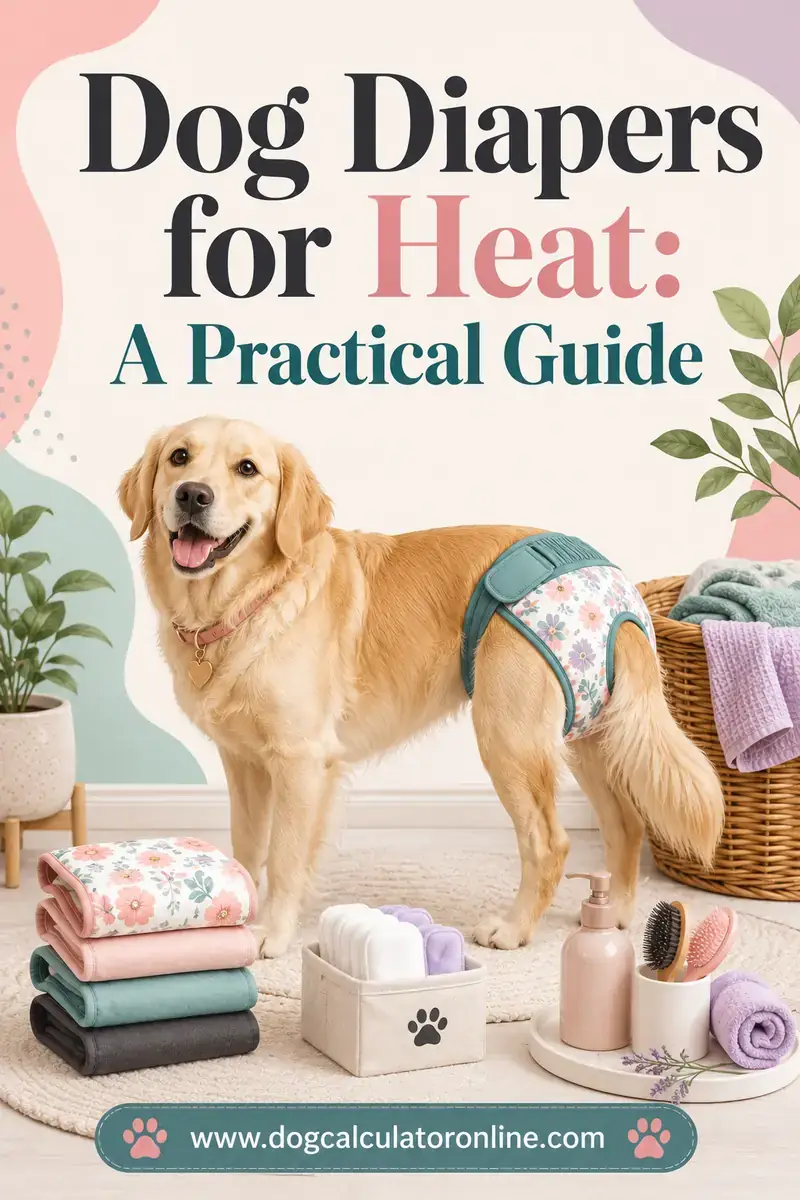
- Washable dog diapers or heat pants for indoor bleeding. Most dogs accept them within a day or two, especially if you make it low-drama. Change them regularly — a soiled diaper left on too long can cause skin irritation or infection. Our dog diapers for heat guide covers sizing and fit.
- Gentle cleanup. If she's not keeping herself tidy, a damp cloth on her rear keeps her comfortable and prevents matting or irritation.
Remember that discharge is usually heaviest early in the cycle and lightens as heat progresses — see how long does a dog stay in heat for the timeline.
Prevent an Unwanted Mating
This is the non-negotiable part. During the fertile window, both your dog and every intact male in the area become determined to reach each other — and "she was only out for a minute" is exactly how unplanned litters happen. To keep her safe:
- Leash-only outings, every time — even in a fenced yard during the fertile stage, for the determined escape artist.
- No dog parks, no off-leash trails, no doggy daycare for the duration of the heat.
- Check your fence and gate latches. Intact males will dig, climb, and push. Assume your containment will be tested.
- Separate from intact males in the home. If you have an intact male dog, physical separation is the only reliable answer — they're highly motivated and fences between rooms fail.
- Supervise bathroom breaks in the yard rather than letting her out alone.
Keep supervision going until all signs of heat have been gone for several days, because the fertile window can outlast the obvious bleeding.
What to Avoid
A few things do more harm than good:
- Never give human medications — pain relievers, anti-inflammatories, or anything else — for heat discomfort. Many are toxic to dogs, and dosing is a veterinary decision.
- Don't use products to mask her scent as a mating-prevention strategy. They're unreliable; containment is what works.
- Don't punish hormonal behavior. Clinginess, restlessness, or marking are not disobedience.
- Don't rush a bath-based "fix." Bathing for hygiene is fine, but you can't wash away a heat, and over-bathing can irritate skin.
Helping Her Through the Behavior Changes
Beyond the physical care, heat brings mood and behavior shifts that you can help her navigate. Many dogs become clingy, restless, or a little moody as hormones fluctuate, and some are visibly unsettled. Your job isn't to stop the behavior — it's hormonal and temporary — but to make it easier:
- Read the dog you have that day. A clingy dog wants reassurance and closeness; a moody, withdrawn dog wants space. Follow her lead rather than forcing interaction or isolation.
- Give her a job. Gentle enrichment — a food puzzle, a chew, a sniffy leashed walk — channels restless energy productively.
- Keep the household calm. Fewer visitors, less commotion, and predictable routines all help an unsettled dog feel secure.
- Don't punish the changes. Marking, restlessness, or grumpiness during heat aren't disobedience. Correction doesn't help and can hurt your bond.
The full picture of why she's acting this way is in dog in heat behavior explained.
A Simple Room-by-Room Setup
A little household prep makes the whole heat easier to manage:
- Her main resting area: washable blankets over beds and favorite couch spots, plus a quiet, cozy retreat away from foot traffic.
- Floors: keep her in easy-clean areas during the heaviest bleeding days if you're worried about carpets.
- Doors and gates: double-check every latch and gap, and set a rule for the household that doors stay closed and she goes out only on leash.
- A supply kit: washable diapers, spare liners, dog-safe wipes, and a laundry plan so a clean set is always ready.
Ten minutes of setup at the start of heat saves a lot of scrambling over the next few weeks.
Should You Consider Spaying?
If you don't plan to breed her, spaying ends heat cycles entirely and removes the risk of pyometra, a serious womb infection. But the timing of that surgery — relative to her age, breed, and size — is an individualized decision, and it's not something to do while she's actively in heat (many vets prefer to wait until the cycle is over). This is a conversation for your vet, not a website. For now, focus on getting her comfortably and safely through this cycle.
When to Call Your Vet
Most heats need no veterinary involvement. Call your vet if you notice:
- Foul-smelling, green, or pus-like discharge — especially in the weeks after a heat, when pyometra classically appears. Combined with lethargy, heavy drinking, vomiting, refusing food, or a swollen belly, treat it as an emergency.
- Bleeding that lasts well beyond four weeks, or that's unusually heavy.
- Genuine illness during heat — not just moodiness, but lethargy, refusing all food, or apparent pain.
- A suspected unwanted mating — options are time-sensitive, so call promptly rather than waiting.
- Any medication question. If you think she needs something for discomfort, that's a vet call, not a home decision.
FAQ
How can I make my dog more comfortable during heat?
Keep her routine calm and predictable, give her a quiet resting spot and a snug bed, offer gentle leashed exercise, and be patient with moodiness. Manage bleeding with washable bedding and diapers. Never give any medication for discomfort without your vet's guidance.
Can I give my dog anything for heat discomfort?
Not without your vet. Many human medications are toxic to dogs, and any drug decision around a heat cycle should come from your veterinarian. For most dogs, comfort measures — a calm environment, gentle exercise, and patience — are all that's needed.
How do I stop my dog from bleeding on furniture?
Use washable blankets over her favorite spots and washable dog diapers or heat pants for indoor bleeding. Change diapers regularly to prevent irritation, and gently clean her rear if she isn't keeping herself tidy. Bleeding usually lightens as the heat progresses.
How do I keep male dogs away from my dog in heat?
Containment, not scent products. Keep her on leash for every outing, skip dog parks and off-leash areas, secure your fence and gate latches, and physically separate her from any intact male in the home. Intact males can detect her from a distance and are highly motivated to reach her.
Is it safe to walk my dog while she's in heat?
Yes, on leash and ideally at quieter times and places. Avoid dog parks and off-leash areas entirely. She can attract intact males from far away, and both her drive and theirs to reach each other are stronger than most recalls and fences.
When should I take a dog in heat to the vet?
Call your vet for foul-smelling discharge, lethargy, heavy drinking, vomiting, refusing food, bleeding beyond about four weeks, a suspected unwanted mating, or any question about medication. The weeks after a heat are when pyometra can appear, so stay alert to those signs.
Support Her, Keep Her Safe
Helping a dog in heat isn't about treating her — it's about comfort, cleanliness, and containment for a few weeks. Keep her calm, manage the mess with washable bedding and diapers, and lock down supervision during the fertile window. Skip the medications and leave any health question to your vet. If a mating does happen, get ahead of the next 63 days: the free dog pregnancy calculator turns the date into a due-date window and week-by-week plan in seconds. For more day-to-day tips, see caring for a dog in heat at home.