Dog in Heat: Behavior Changes Explained
A dog in heat often acts noticeably different — clingy, restless, moody, more vocal, and eventually flirtatious — because a surge of reproductive hormones is rewiring her mood and drives for a few weeks. Some dogs barely change; others become almost unrecognizable, pacing, whining, marking around the house, or seeking constant affection. Crucially, the behavior shifts in stages: early in heat she'll usually refuse male attention even as she attracts it, then later becomes receptive during the fertile window. None of it is misbehavior — it's biology.
Understanding what's driving each change makes the whole cycle easier to handle and helps you spot the moment supervision matters most. If a mating happens during that receptive window, the free dog pregnancy calculator turns a mating date into a due-date window in seconds. Below: the behavior changes stage by stage, why they happen, how they differ between dogs, how to help her cope, and when behavior crosses into a vet concern.

🐕 Heat behavior decoder
Tap a behavior to see what is driving it:
Tap a behavior above. Every dog shows heat differently — some barely change.
What's Driving the Changes
Before the behaviors themselves, the "why": a heat cycle is a hormonal event. As a dog enters heat, estrogen rises, then later progesterone takes over. These hormones don't just prepare her body for possible pregnancy — they reshape her mood, her drives, and how she reacts to the world for a few weeks. The result can look like a personality shift, but it's temporary and normal. When the cycle ends and hormone levels settle, so does her behavior.
That's the single most useful frame for an owner: she's not being difficult, she's being hormonal. Punishing heat behavior doesn't work and isn't fair, because she isn't choosing it. Support and patience are the right tools.
The Behavior Changes, Stage by Stage
Heat behavior isn't static — it evolves with the cycle's phases. Reading the progression tells you where she is and when to be most careful.
Early Heat (Proestrus)
As heat begins, the first behavior changes appear alongside the physical signs (swelling, spotting). You might notice:
- Clinginess — following you everywhere, seeking extra affection and reassurance.
- Restlessness — pacing, difficulty settling, sometimes panting.
- Moodiness — grumpiness, sensitivity, or wanting to be left alone (the opposite of clinginess, depending on the dog).
- Increased urination and marking — peeing more often in small amounts to broadcast scent signals.
- Appetite changes — usually a mild dip, occasionally the reverse.
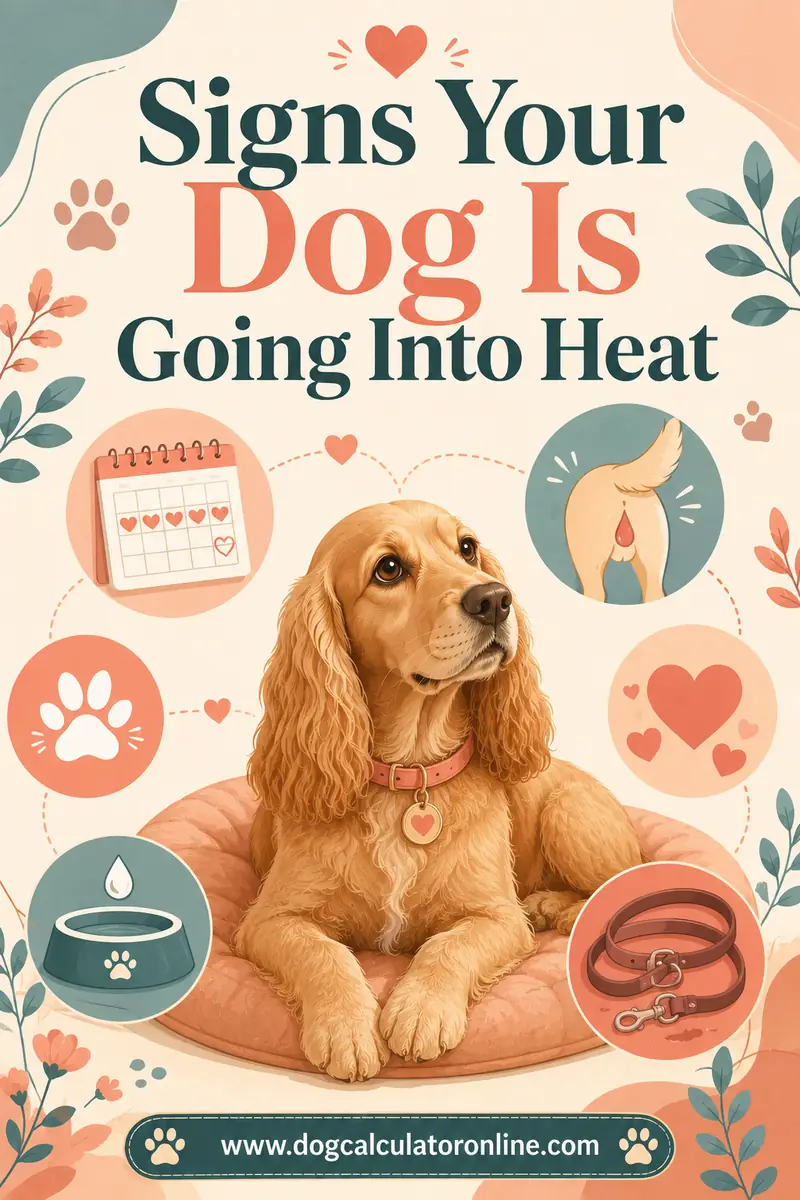
The key behavioral marker of this phase: she attracts males but refuses them. Intact males become intensely interested, sometimes before you've spotted a single physical sign — but she isn't receptive yet and will rebuff or snap at them. That mismatch is a reliable early tell that heat has started. Our signs your dog is going into heat guide covers these opening signals.
The Fertile Window (Estrus)
Then her behavior flips. As she enters estrus — the fertile window — she becomes receptive, and this is the stage that changes the containment stakes entirely. Watch for:
- Tail flagging — swinging her tail to the side when touched near the rear, a clear signal of receptivity.
- Backing up to males and actively seeking their attention.
- Escape attempts — a normally content dog may suddenly try to bolt out doors, dig under fences, or slip leashes, driven to find a mate.
- Heightened alertness to other dogs and outdoor scents.
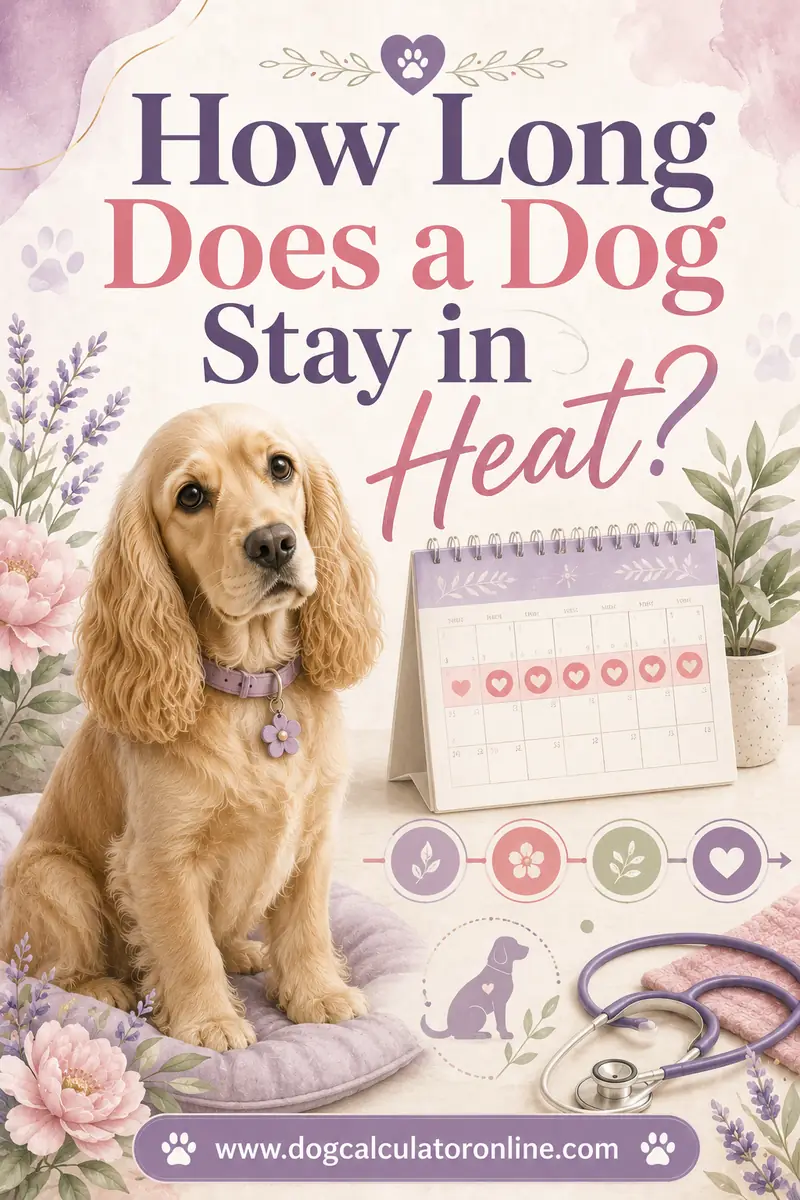
This is the window where "she was only out for a minute" becomes an unplanned litter. Both she and every intact male in the area are now highly motivated to reach each other. Supervision, leash-only outings, and secure containment are non-negotiable through this stage. For the full timeline of when this window opens and closes, see how long does a dog stay in heat.
Winding Down (Late Heat and After)
As the fertile window closes, receptivity fades: she stops flagging, refuses males again, and the restless, flirtatious energy subsides. Behavior gradually returns to her normal baseline over the following days.
One curveball can appear weeks after heat ends: false pregnancy behaviors. Because a dog's post-heat hormone phase is pregnancy-like whether or not she conceived, some dogs start nesting, mothering toys, guarding a "den," or showing appetite changes a few weeks later. Mild cases often pass on their own; persistent or distressing signs are a vet conversation, not a home project.
How Much Behavior Changes Varies
There's a huge range in how strongly heat affects behavior:
- Barely-there dogs. Some dogs sail through with almost no visible mood change — you'd only know from the physical signs, if that.
- Moderately affected dogs. The common middle: a bit clingy, a bit restless, some extra marking, generally themselves with a hormonal tint.
- Dramatically affected dogs. Some become intensely clingy, vocal, restless, or moody, visibly out of sorts for the duration.
Age plays a role too. First heats in young dogs can bring confusing, exaggerated, or erratic behavior as they experience it all for the first time. Over a few cycles, an owner usually learns their dog's personal heat "personality," which makes each subsequent cycle easier to anticipate.
Common Heat Behaviors, Decoded
A quick reference for the behaviors owners ask about most:
| Behavior | What's behind it |
|---|---|
| Clinginess | Hormone shifts driving a need for closeness and reassurance |
| Restlessness / pacing | The instinct to seek out a mate |
| Moodiness / grumpiness | Hormonal sensitivity; not disobedience |
| Excessive licking | Grooming the genital area; partly hygiene, partly instinct |
| Marking / frequent urination | Spreading scent signals to advertise the cycle |
| Tail flagging | Receptivity signal during the fertile window |
| Escape attempts | The drive to find a mate; peaks in the fertile window |
| Mounting other dogs/objects | Hormonally driven; can occur even in females |
| Nesting (after heat) | Possible false-pregnancy behavior in diestrus |
Reading these correctly saves a lot of frustration. Excessive licking isn't a bad habit to break; marking isn't a housetraining relapse; escape attempts aren't defiance. They're all the cycle talking.
Behavior Toward You vs. Toward Other Dogs
It helps to separate two audiences for her behavior, because they change on different timelines.
Toward you, the shifts are mostly emotional: clinginess or withdrawal, moodiness, a need for reassurance, restlessness at home. These can start early in heat and ebb and flow through it. They're about how the hormones make her feel, and your job is comfort and patience.
Toward other dogs, the shifts are driven by reproductive instinct and are far more stage-specific. Early on she'll attract males but rebuff them, sometimes sharply. In the fertile window she flips to actively seeking them. Toward male dogs specifically, her behavior is a reliable read on where she is in the cycle — refusal means early, receptivity means fertile. That's useful intelligence for timing supervision.
Recognizing which audience a behavior is aimed at keeps you from misreading her. Snapping at a visiting dog isn't aggression toward people; velcro-clinginess to you isn't about other dogs. Two separate systems, running at once.
Behavior in Spayed Dogs
A quick clarification owners often ask about: a spayed dog shouldn't show these heat behaviors at all, because spaying removes the ovaries that drive the hormone cycle. If a spayed dog suddenly acts like she's in heat — flirtatious, restless, drawing male attention — that's not a normal cycle and warrants a vet check. The usual explanation is a small piece of leftover ovarian tissue producing hormones. It's uncommon and treatable, but it's a vet conversation, not something to wait out. We cover it fully in do spayed dogs go into heat.
Myths About Heat Behavior
A few persistent misreadings cause real friction between owners and their dogs:
"She's acting out, so she needs correction." No — heat behavior is hormonal, not chosen. Correcting a dog for clinginess, marking, or restlessness during heat teaches her nothing and can damage trust. Manage the environment instead.
"Marking in the house means she's forgotten her training." Increased urination and small marking spots are instinct-driven scent signaling, not a housetraining relapse. It fades when the cycle ends. Clean calmly and don't scold.
"A moody dog in heat is becoming aggressive permanently." Temporary hormonal moodiness isn't a personality change. Her baseline returns as hormones settle. (Genuinely new, severe aggression is a separate matter worth a vet's input.)
"If she's not flirtatious, she's not really in heat." Receptive, flirtatious behavior only appears in the fertile window, not the whole cycle — and some dogs show it subtly. Early heat looks like moodiness and male-refusal, which is still very much heat.
Clearing these up early saves a lot of unnecessary frustration and keeps you responding to what's actually happening.
How to Help Her Cope
You can't switch off the hormones, but you can make the few weeks smoother:
- Keep routines calm and predictable. Familiar meals, walks, and rest spots are grounding when she's unsettled.
- Offer a quiet retreat. A cozy, low-traffic spot with a snug bed helps an anxious dog decompress.
- Give gentle, leashed exercise and enrichment. Physical and mental stimulation burns off restless energy — but keep it calm, not overstimulating, and always on leash during heat.
- Meet clinginess with reassurance, moodiness with space. Read which dog you have that day and respond accordingly.
- Never punish heat behavior. It's hormonal, not chosen. Patience works; correction doesn't.
- Lock down containment. Especially in the fertile window — leash-only outings, no dog parks, secure fences and gate latches, and physical separation from any intact male in the home.
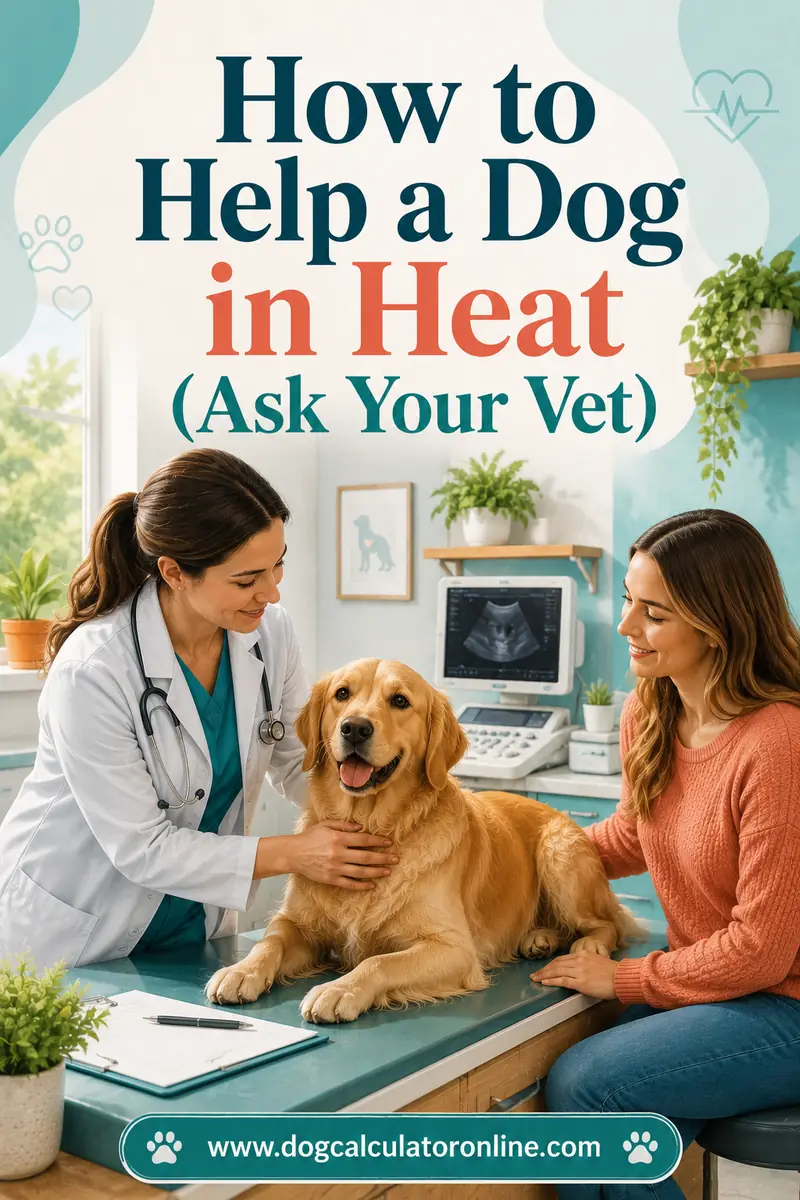
Our how to help a dog in heat and caring for a dog in heat at home guides go deeper on day-to-day management.
When Behavior Is a Vet Concern
Most heat behavior is normal and needs no vet. But raise it with your veterinarian if you see:
- Genuine distress — not just moodiness, but a dog who seems truly miserable, agitated, or unable to settle at all.
- Refusing food entirely (versus a mild dip), lethargy beyond normal, or apparent pain.
- Aggression that's new or severe, especially if it poses a safety risk at home.
- Persistent false-pregnancy behaviors weeks after heat — ongoing nesting, distress, or milk production.
- Any sign of illness during or after heat, especially foul-smelling discharge, heavy drinking, or vomiting in the weeks after a heat, which can signal pyometra, a serious womb infection — an urgent vet situation.
The behavior side of heat is mostly a matter of patience and containment. But you know your dog's baseline, and a dramatic shift toward genuine suffering — rather than ordinary hormonal moodiness — is always worth a professional opinion.
FAQ
How does a dog behave when in heat?
Often clingy, restless, moody, and more vocal, with extra marking and licking. Early in heat she attracts male dogs but refuses them; during the fertile window she becomes receptive — flagging her tail, seeking males, and trying to escape. Some dogs barely change, while others shift dramatically.
Why is my dog in heat so clingy?
Hormone changes during heat can drive a strong need for closeness and reassurance, so many dogs become velcro dogs, following their owners around and seeking affection. It's normal and temporary. Meet it with calm reassurance and a predictable routine; it eases as the cycle ends.
Is it normal for a dog in heat to be moody or aggressive?
Mild moodiness, grumpiness, or wanting space is normal and hormonal — not disobedience. Give her room and keep routines steady. New or severe aggression that creates a safety risk, though, is worth discussing with your vet rather than managing alone.
Why is my dog in heat trying to escape?
During the fertile window, the drive to find a mate is powerful, so even a normally content dog may bolt for doors, dig under fences, or slip her leash. This is exactly when containment matters most: leash-only outings, secure fencing, and close supervision.
Do dogs act differently after heat ends?
Usually behavior returns to normal within days as hormones settle. But some dogs show false-pregnancy behaviors weeks later — nesting, mothering toys, appetite changes — because the post-heat hormone phase is pregnancy-like whether or not she mated. Mild cases pass; persistent ones are a vet conversation.
Will spaying stop these behavior changes?
Spaying ends heat cycles, so the hormone-driven heat behaviors stop too. But the timing of spay surgery is an individualized decision based on age, breed, and size, and it's best discussed with your vet rather than decided on behavior alone.
Why is my dog in heat mounting other dogs or toys?
Mounting is hormonally driven and can occur even in females during heat — it's normal cycle behavior, not dominance or a problem to correct. Like the other heat behaviors, it fades as the cycle ends. Redirect calmly if it's a nuisance rather than punishing it.
My dog in heat is marking around the house. Is that normal?
Yes. Increased urination and small marking spots are instinctive scent-signaling during heat, not a housetraining failure. Clean the spots calmly, keep her routine steady, and expect it to stop once the cycle ends. Diapers can help manage it indoors.
Read the Behavior, Support the Dog
A dog in heat acts differently because her hormones are running the show — clingy, restless, moody early on, then flirtatious and escape-prone during the fertile window, then back to normal (with an occasional false-pregnancy detour weeks later). None of it is misbehavior, so patience, calm routines, and tight containment are the whole playbook. Watch for the receptive stage especially, since that's when supervision matters most. If a mating happens during that window, get ahead of the next 63 days: the free dog pregnancy calculator turns the date into a due-date window and week-by-week plan in seconds.