Why Do Dogs Eat Grass?
The explanation almost everyone has heard — that dogs eat grass to make themselves sick — is largely backwards. When researchers at the University of California, Davis actually surveyed thousands of owners, fewer than one dog in ten showed any sign of being unwell before eating plants, and only around one in five vomited afterwards. Grass eating turns out to be common, normal, and mostly unremarkable behavior in perfectly healthy dogs, with the youngest and healthiest dogs doing it most. The genuine risks are not in the grass but on it: herbicides, slug pellets, lungworm and grass awns. Our dog food calculator is a good sanity check if you suspect the diet is part of it.
🐾 Should I worry about this grass eating?
Tap the pattern that matches your dog:
Tap an option above. The grass is rarely the problem; what is on it can be.
What the Research Actually Shows
There is more data on this than on most dog behavior questions, which makes the persistence of the myth slightly embarrassing.
Plant eating is normal and widespread. In the Davis surveys, the large majority of dog owners reported that their dog ate plants, most commonly grass, and a substantial share said it happened daily or weekly. This is not a minority quirk.
Most grass-eating dogs were not unwell first. Fewer than one in ten owners reported any sign of illness preceding the behavior. If grass eating were a self-medicating response to nausea, that figure would need to be dramatically higher.
Most did not vomit afterwards either. Only around a fifth did. Four out of five grazed and got on with their day.
Younger dogs ate more plants and were less likely to be ill beforehand or to vomit afterwards. That is the opposite of what a sickness-driven explanation predicts. If anything, grass eating looks like a behavior of healthy, energetic dogs that declines somewhat with age.
The most defensible summary: this is normal canine behavior with no single purpose. That is an unsatisfying answer, and it is the one the evidence supports.
Why the Sickness Story Took Hold
Understanding the myth's origin helps you drop it.
Vomiting is memorable and grazing is not. You notice the four occasions your dog ate grass and was sick. You do not notice the forty occasions he ate grass and nothing happened. That asymmetry alone would build the belief.
Cause and effect get reversed. Some dogs who feel nauseous do eat grass, and coarse grass in an irritated stomach can certainly trigger vomiting. So the association is real; the direction of the arrow is the problem. Grass eating occasionally follows nausea. It does not usually cause vomiting, and it is not usually preceded by nausea.
Dogs cannot digest grass in any meaningful way. They lack the enzymes to break down cellulose, which is often given as evidence that grass must be for something other than food. That reasoning does not hold — plenty of what dogs eat serves no nutritional purpose.
The myth persists because it sounds like folk wisdom. It has the shape of a satisfying explanation, and it is repeated in an enormous number of articles that never cite anything. Once you know the survey numbers, it stops being convincing.
What Dogs Probably Are Doing
Several hypotheses fit better than self-medication, and more than one is likely true.
| Explanation | The reasoning | How well it fits |
|---|---|---|
| Inherited foraging | Wild canids routinely eat plant material; wolf scat contains grass | Fits well; explains why it is universal |
| Fiber and gut motility | Indigestible fiber bulks stool and may aid movement through the gut | Plausible, some supporting reasoning |
| Taste and texture | Fresh spring growth is sweet; dogs are selective about which patches | Fits everyday observation closely |
| Boredom or habit | More common in under-stimulated dogs and in gardens with little else to do | Fits some dogs, not most |
| Nausea relief | A minority of dogs do graze frantically when queasy | Fits a small subset only |
| Attention-seeking | Owner reaction reinforces it in some dogs | Occasional, easy to test |
The foraging explanation is the strongest general one. Dogs are not obligate carnivores; they are opportunistic omnivores with a scavenging history, and plant material has always been part of that.
The taste explanation is underrated. Watch a dog graze and he is rarely indiscriminate — he picks particular patches, often young growth, and ignores the rest of the lawn. That is a dog choosing, not a dog treating himself.
Boredom is worth testing rather than assuming. If the grazing happens mainly in a bare garden during long unaccompanied stretches, add enrichment and see whether it drops. The same under-occupation drives digging, and the two often appear together.
Does It Mean Something Is Missing From the Diet?
The nutritional theory is popular and has less behind it than people assume.
There is no good evidence that grass eating signals a nutrient deficiency. Dogs on complete commercial diets eat grass at similar rates to dogs on anything else, and the Davis work found no relationship with diet type.
Fiber is the one component with a reasonable case. A dog whose diet is very low in fiber may benefit from more, and owners sometimes report less grazing after adding a fiber source. That is an observation worth trying, not a proven mechanism.
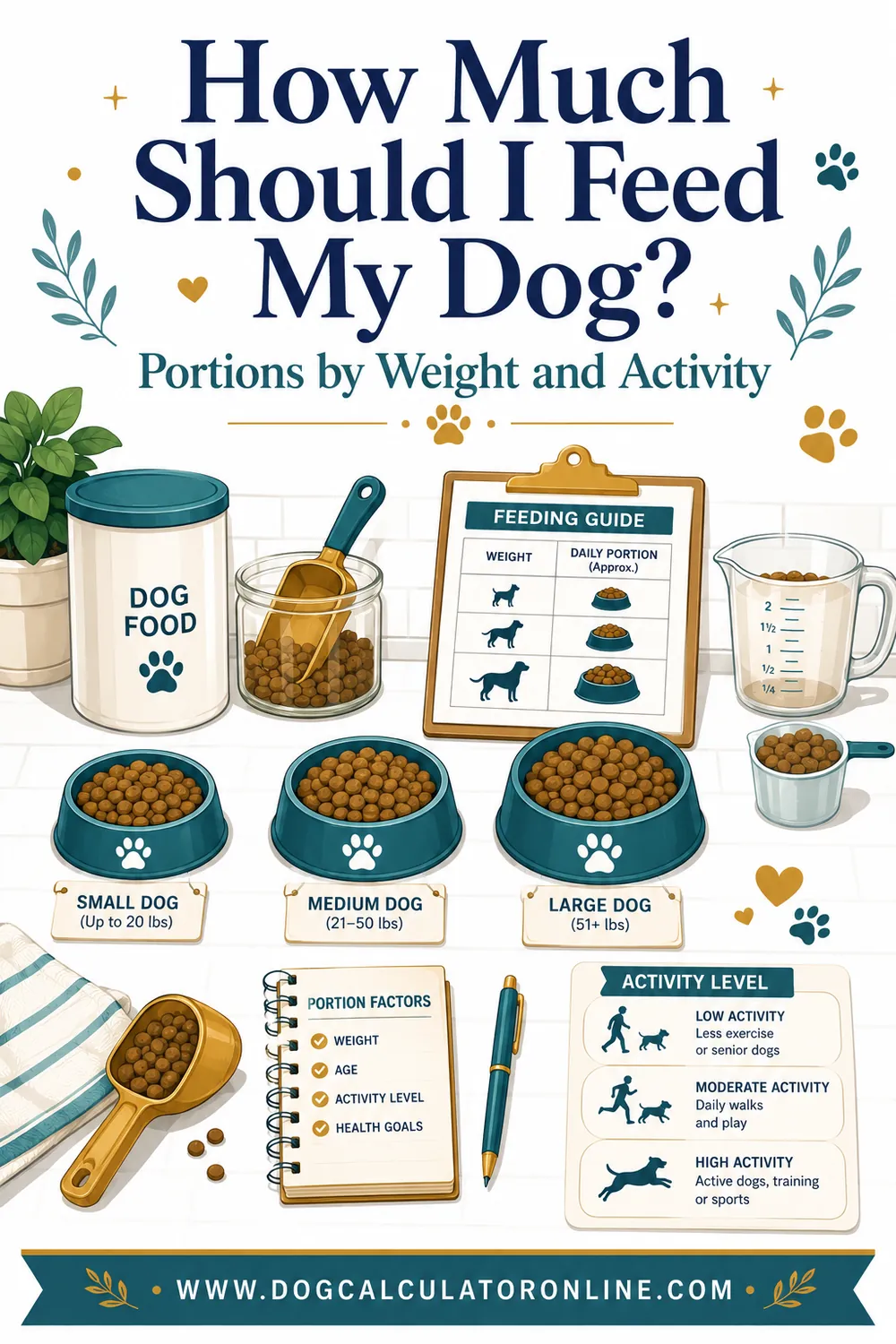
Check the portion before you change the recipe. A dog who is genuinely underfed will eat more of everything, grass included. Our guide to how much to feed a dog sets a realistic starting point, and body condition matters more than the number on the bag.
If you want to add fiber, do it sensibly. Plain cooked pumpkin, a little steamed green bean, or a vet-recommended fiber supplement. Check anything new against the list of human foods dogs can safely eat first, and introduce it gradually.
Do not switch diets repeatedly to chase this. Frequent food changes cause more gut upset than they solve, and grass eating is far too common a behavior to justify it.
When Grass Eating Is Worth a Second Look
Normal does not mean always ignore. There is a version of this that matters.
Frantic, gulping grass eating with drooling is a different behavior. A dog who rushes outside, tears at grass urgently, licks his lips repeatedly and swallows hard is showing nausea signs. That is worth a call, particularly if it is repeated.
An unproductive retch with a swollen, hard abdomen is an emergency. Gastric dilatation and volvulus — bloat — can present with restlessness, attempts to vomit that produce nothing, and pacing, and deep-chested breeds are at highest risk. This is an immediate, out-of-hours emergency, not a morning appointment.
Any marked increase in an adult dog deserves a check. As with most behavior, the change is the signal. A dog who has grazed casually for six years and is suddenly eating grass every time he goes out has changed, and gastrointestinal disease is the obvious question.
Watch for the accompanying signs. Weight loss, appetite change, diarrhea, black or tarry stools, repeated vomiting, or licking floors and walls as well. Any of those alongside grass eating shifts it from a behavior question to a medical one.
A dog vomiting more than twice in a day, or unable to keep water down, needs to be seen. That threshold has nothing to do with grass and everything to do with dehydration.
The Real Risks Are on the Grass, Not in It
This is where owner attention is genuinely well spent.
Herbicides, pesticides and fertilisers are the biggest everyday hazard. Keep dogs off treated lawns for the interval the product specifies — usually until fully dry at minimum, and longer for granular products. Public parks and verges are treated without notice in many areas.
Slug and snail pellets are lethal and appealing. Metaldehyde poisoning causes tremors and seizures rapidly and has a high fatality rate. If you use anything in the garden, use it nowhere a dog goes, and treat suspected ingestion as an immediate emergency.
Lungworm is carried by slugs and snails, which live on wet grass. Dogs can be infected by eating grass with a small slug on it, or by mouthing an outdoor toy. Signs include coughing, exercise intolerance, and unexplained bleeding or bruising. Prevention is a routine parasite treatment — ask your vet whether it is a concern locally, because it is patchy by region.
Grass awns are a summer problem. The barbed seed heads of certain long grasses migrate into paws, ears, eyes and noses, and they do not come out on their own. Sudden violent head shaking, a swollen paw, or persistent sneezing after a walk through long grass all point at one, and removal usually needs sedation — worth factoring into what routine and unexpected vet costs look like over a year.
Some plants in the garden are genuinely toxic, and dogs graze indiscriminately. Sago palm, lilies, foxglove, yew, oleander and daffodil bulbs are among the worst. Keep the wider list of things dogs must never eat in mind when you plant.
Do You Need to Stop It?
For most dogs, the honest answer is no.
Grazing on untreated grass by a healthy, wormed dog is a non-issue. There is no health argument for suppressing it and no behavioral argument either.
If you want to reduce it, manage the environment rather than the dog. Keep a small untreated patch he is allowed to graze, avoid treated areas, and give him something better to do on walks. A sniffing route beats a chewing route.
Interrupt, do not punish. Calling him away and rewarding the recall works. Telling him off does not stop the behavior and may make him swallow faster to avoid losing it.
Muzzles are appropriate only for genuine indiscriminate scavengers. A basket muzzle is the right tool for a dog who eats stones, rubbish or anything he finds, not for a dog who nibbles lawn.
Keep an eye on the pattern rather than the incident. One graze means nothing. A change in how often, how urgently, or what happens afterwards means quite a lot.
FAQ
Do dogs eat grass to make themselves vomit?
The evidence says mostly no. In surveys of thousands of owners, fewer than one in ten dogs showed any sign of illness beforehand and only about one in five vomited afterwards. A minority of nauseous dogs do graze, but that is not the general explanation.
Is it bad for my dog to eat grass every day?
Not in itself, provided the grass is untreated and your dog is on routine parasite prevention. Daily grazing was reported as common in healthy dogs. Watch for a change in intensity rather than for the behavior itself.
Why does my dog eat grass and then throw up?
Coarse grass can irritate an already-sensitive stomach, and long strands sometimes tickle the throat. Occasional vomiting after grazing is not alarming. Repeated vomiting, or frantic grass eating with drooling and lip-licking, points to nausea and needs veterinary attention.
Does grass eating mean my dog needs more fiber?
Possibly, but there is no strong evidence for it. Diet type has not been shown to predict grass eating. If you want to test it, add a modest fiber source such as plain cooked pumpkin for a couple of weeks and see whether anything changes.
Is lawn treated with weedkiller dangerous for dogs?
Yes, and this is the real risk in this topic. Keep dogs off treated grass for at least the interval on the label, and assume public verges and parks may be treated without notice. Granular products need longer than sprays.
Should I stop my puppy eating grass?
Redirect rather than forbid. Puppies mouth everything, and grass is part of that. What matters is teaching a solid leave-it and recall so you can call him off anything genuinely dangerous, and keeping him off treated ground and slug-pellet territory.
Grass Is Usually Just Grass
The most useful thing you can take from this page is permission to stop worrying about a behavior that thousands of surveyed owners describe in perfectly healthy dogs. Grazing is normal, it is commonest in young dogs, and the folk explanation about self-induced vomiting does not survive contact with the data. Spend the attention you were going to spend on the grass on what is on it instead: lawn chemicals, slug pellets, lungworm risk, and grass awns in summer. And keep the two real red flags in view — frantic gulping with drooling, and any sharp increase in an adult dog — because those are gastrointestinal signals rather than garden habits. If you suspect the diet is a factor, our dog food calculator is the quickest place to check the portion size.