How to Stop an Adult Dog Pulling on the Leash
There is one reason your dog pulls, and it is not dominance, stubbornness or a failure of respect. Pulling works. He leans into the leash, and the lamp post gets closer. He drags you across the road, and there is the park. Every single walk of his life has paid him for pulling, and an adult dog has thousands of those repetitions banked. That is why "he knows he shouldn't" changes nothing, and why the fix has two halves: equipment that stops pulling from working, and total consistency from you while a new habit is built. Weight matters here too — the dog ideal weight calculator tells you how much dog is actually on the end of that lead.
🐾 What does your dog do on the leash?
Tap the closest description:
Tap an option above. Stop the pulling paying, then teach what you do want.
Why Pulling Is So Hard to Undo in an Adult Dog
Understanding the mechanism is what stops you wasting six months.
Pulling is self-rewarding, which means you are not the one reinforcing it. The reward is arriving at the interesting thing. That happens whether or not you approve, which is why telling him off has so little effect.
Adults have vastly more practice than puppies. A two-year-old dog walked twice a day has had roughly 1,400 walks. If pulling worked in most of them, you are not correcting a bad habit; you are overwriting a deeply learned one.
Dogs have an opposition reflex. Push against a dog and he pushes back; apply steady pressure to his chest and he leans into it. A tight leash physically encourages more leaning, which is why a taut lead makes pulling worse rather than better.
Dogs also walk faster than we do. A comfortable trot for a medium dog is roughly 4 to 6 mph (6 to 10 km/h). Human walking pace is about 3 mph (5 km/h). Loose leash walking asks him to move at an unnatural, boring speed the whole time.
Intermittent success is the killer. If pulling works on nine walks out of ten because you are late for work, the habit gets stronger, not weaker. Partial reinforcement builds the most stubborn behaviors there are.
Adolescence makes it dramatically worse. Between 8 and 14 months you get more strength and less impulse control at the same time, which is covered in the adolescent dog guide.
Fix the Equipment First
This is not cheating. It is what makes the training possible.
The right kit does not train your dog; it stops the pulling from paying while you do the training. On a flat collar, a strong dog can simply out-muscle you and reach the lamp post anyway.
A front-clip harness is the usual answer. With the leash attached at the chest, forward pressure turns the dog gently sideways instead of propelling him onward. Pulling stops producing forward motion, so it stops working.
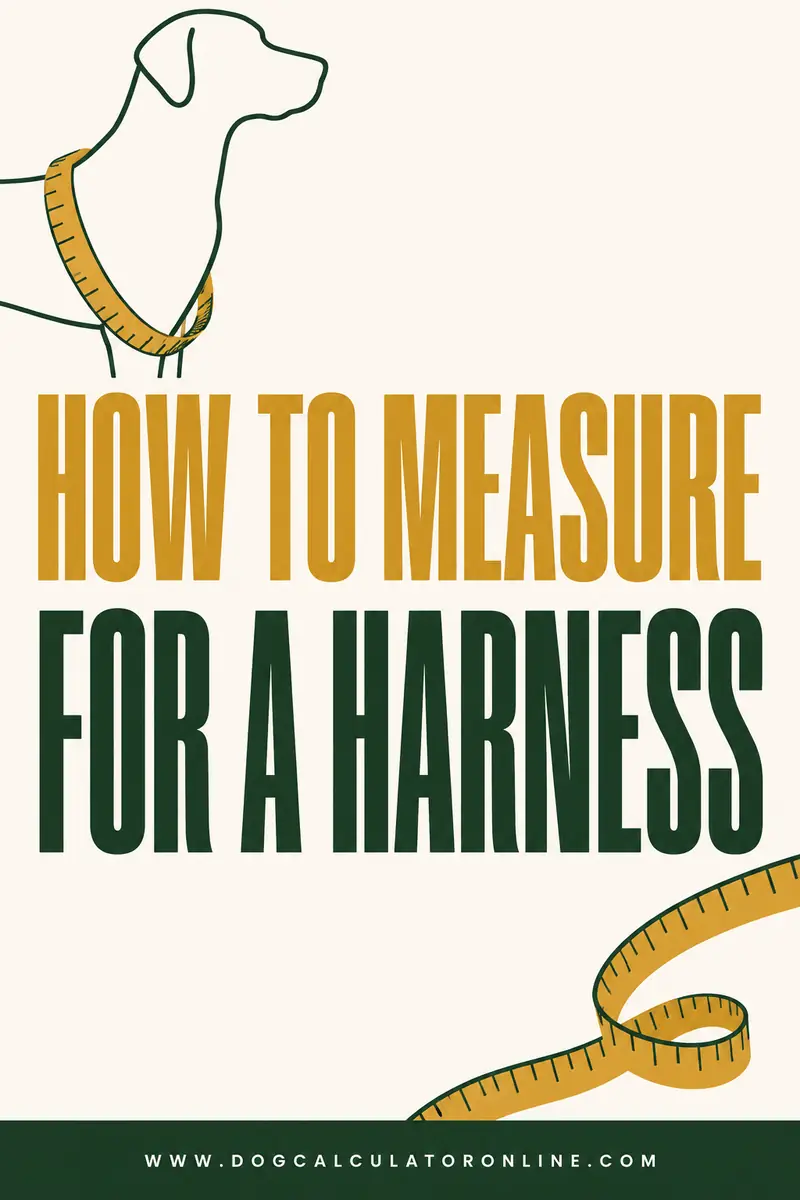
Fit matters more than brand. Too loose and he backs out of it; too tight and it rubs the armpits raw. Two fingers should slide under every strap, and nothing should sit across the point of the shoulder. Sizing is set out in the no-pull harness size guide, and measuring properly is covered in how to measure a dog for a harness.
Stop using a flat collar or slip leash for a hard puller today. Repeated force on the throat risks the windpipe, the thyroid and the neck itself, and it is worse in flat-faced breeds and small dogs.
Skip retractable leashes while you are training. They only extend when the dog pulls, which teaches him that constant tension is exactly how a leash is supposed to feel.
Use a fixed leash of about 6 ft (1.8 m). Long enough to give slack, short enough that you are not managing rope. A double-ended leash clipped to harness and collar gives you a useful second point of contact.
Harness, Head Collar or Collar Compared
The honest trade-offs, so you can choose rather than guess.
| Option | How it works | Best for | Watch out for |
|---|---|---|---|
| Front-clip harness | Chest attachment redirects forward pull sideways | Most adult pullers; the default first choice | Rubbing behind the elbows; needs correct fit |
| Back-clip harness | Comfortable, no redirection at all | Dogs who already walk nicely; small dogs on short walks | Actively makes pulling easier for strong dogs |
| Head collar | Guides the head, and the body follows | Very large or very strong dogs when other kit fails | Needs slow desensitising; never jerk it; not for flat-faced breeds |
| Flat collar | No mechanical help | Dogs who do not pull; carrying the ID tag | Throat pressure and injury risk in a hard puller |
| Slip leash or choke chain | Tightens on the neck | Brief handling by professionals | Genuine injury risk; can add fear to whatever he was looking at |
Whatever you choose, introduce it at home with food before the first walk. Kit a dog hates produces a dog who will not walk at all, which is a harder problem than pulling. General fitting advice for every style is in the dog harness size guide.
The Method, Step by Step
Simple to describe, tedious to do, and it works.
Decide where the reward zone is. Pick a side and a rough position — say, his shoulder level with your leg. That is the only place that pays. Feed him there, at your seam, not out in front where he learns to swing round.
Feed generously at first. For the first few sessions, a treat every two or three steps while the leash is loose. You are not bribing him; you are showing him that this unremarkable position is where all the good things happen.
Stop dead the moment the leash tightens. Do not yank, do not scold, just stop and become a tree. Wait for slack — a step back, a glance at you, anything. The second the leash loosens, say "yes" and walk on. Walking on is the real reward.
Or turn and walk the other way if standing still bores you both. Same principle: tension means the destination gets further away, not closer.
Add a release word for sniffing. "Go sniff" on a long leash, then "with me" for the formal walking. Dogs who are never allowed to sniff pull harder, because sniffing is most of what a walk is for.
Keep the reward rate high for far longer than feels necessary. Most owners fade the food after four days. Two to three weeks of generous payment builds something that lasts; ration it from those treats rather than adding them, using the daily treat allowance as your budget.
Where to Train, and in What Order
Trying to fix this on the school run is why most attempts fail.
Start in the house. Lead on, six steps up and down the hallway. If he cannot do it there, he certainly cannot do it outside the butcher's.
Then the garden, then the quietest street you have, then a slightly busier one, and only then the route you actually want to walk. Add one level of difficulty at a time.
Expect to drop back a level whenever you add one. Dogs generalise badly. A dog who walks beautifully on your road may be hopeless in the high street, and that is normal rather than defiance.
Separate the training walk from the real walk. Ten minutes of deliberate loose leash work, then clip to a long line and let him be a dog. Trying to train for a full hour ruins both.
Do not do this on the walk you are in a hurry for. If you have twelve minutes to get to work, use a front-clip harness and let it slide. Just do not let that be most days.
Keep total daily exercise sensible while you retrain, especially with a big or heavy dog. Realistic distances by size are in the guide to how far a dog can walk.
Mistakes That Keep the Habit Alive
Every one of these is common and every one is fixable.
Letting the walk start with an explosion. If he drags you out of the front door, the walk has already begun badly. Clip up, wait for a loose leash, open the door; if he surges, close it and start again. Two minutes now saves twenty later.
Repeating cues at a dog who is not listening. Saying "heel, heel, HEEL" teaches him that the word means nothing. Say it once, and if nothing happens, make the situation easier.
Jerking the leash. A sharp correction can suppress pulling briefly, but with an aroused dog it often attaches the unpleasant feeling to whatever he was staring at, which is usually another dog. That is one common route into leash reactivity.
Allowing greetings on a tight leash. Two dogs meeting nose to nose while both are restrained and leaning is a recipe for a scrap, and it teaches yours that pulling toward dogs pays.
Giving up at day five. Loose leash walking is not a weekend project. Owners who quit are almost always the ones who stopped paying too early.
Different rules for different people. If one person in the house lets him pull, he will keep testing. Everyone walks him the same way or the training stalls.
How Long This Actually Takes
Realistic expectations keep people going.
You should see a difference in the first session with a front-clip harness, because the mechanics change immediately. Do not mistake that for trained; the habit is still there underneath.
Two to three weeks of daily short sessions usually produces reliable loose leash walking on quiet routes. That is the honest first milestone.
Two to three months is typical before it holds up in busy places with dogs, traffic and food smells around.
Longer for a dog with years of practice, for adolescents between 8 and 14 months, and for high-drive working breeds. Six months is not a failure.
Progress is not linear. Expect good weeks and bad weeks, and expect a step backwards after any break in routine such as a holiday or an illness.
A dog who pulls less but not never is a normal outcome. Aim for a walk you both enjoy rather than competition heelwork.
When Pulling Is Not Really About Walking
Sometimes the leash is not the problem.
Check for pain first. A dog who suddenly pulls oddly, walks lopsided, refuses a direction or resists the harness may be sore. Ask your vet to look, especially in older dogs and in breeds prone to hip, elbow or spinal problems.
Coughing, gagging or a honking noise on the leash needs a vet. It can indicate tracheal irritation or collapse, particularly in small and flat-faced breeds, and it should not be trained through.
Lunging and barking at other dogs is a separate problem. That is reactivity, usually rooted in frustration or fear rather than enthusiasm, and it needs distance and a proper plan rather than more heelwork. Get help from an accredited, force-free behaviorist if it is escalating.
Frantic, unstoppable pulling toward everything can point to under-stimulation. A working breed on two short sidewalk walks a day will pull. Add sniffing, scentwork and training games before adding miles.
Extreme chasing of cars, bikes or joggers needs managing, not testing. Keep him on a harness and a fixed leash near roads, and work on recall somewhere safe and enclosed.
FAQ
Why does my adult dog pull on the leash?
Because pulling has always worked. Leaning forward gets him closer to whatever he wants, so every walk has rewarded it. Dogs also have an opposition reflex, meaning steady pressure on the chest makes them lean in harder, and they naturally walk faster than people do.
Do no-pull harnesses actually work?
A front-clip harness works mechanically: the chest attachment redirects forward pull sideways, so pulling no longer moves the dog forward. It does not teach loose leash walking on its own. Use it to stop the habit paying while you train the behavior you want.
How long does it take to stop a dog pulling on the leash?
Expect an immediate improvement from a front-clip harness, reliable loose leash walking on quiet routes after two to three weeks of short daily sessions, and two to three months before it holds up in busy places. Long-established habits and adolescent dogs take longer.
Is it cruel to use a head collar on a dog that pulls?
Not if it is introduced slowly and never jerked. Head collars suit very large or very strong dogs when other equipment has failed. They need several days of pairing with food before use, and they are unsuitable for flat-faced breeds because of the muzzle shape.
Should I let my dog sniff on walks?
Yes. Sniffing is most of what a walk is worth to a dog, and dogs who are never allowed to sniff pull harder. Use a release word such as "go sniff" on a long leash for free time, and keep formal loose leash walking to short deliberate stretches.
My dog only pulls when he sees other dogs. What should I do?
That is arousal rather than a walking problem. Increase distance until he can still take food, reward him for looking at the other dog and turning back to you, and stop on-leash greetings. If he barks or lunges and it is worsening, get accredited behavior help.
Walks You Both Look Forward To
Pulling is not a character flaw and it is not something a firmer hand fixes. It is a habit with years of successful practice behind it, and you undo it by making it stop working and then paying handsomely for the alternative. Put him in a properly fitted front-clip harness, pick a reward zone, feed generously for far longer than feels reasonable, stop dead every time the leash tightens, and give him a long line and a release word so he still gets to be a dog. Give it three weeks before you judge it. Check the harness sizing first, and let the dog ideal weight calculator tell you what you are actually holding on to.