Why Do Dogs Lick Their Paws? (Ask Your Vet)
Of all the behaviors in this section of the site, this is the one that most often turns out to be medical. Persistent paw licking is a symptom rather than a habit, and the three explanations that account for most cases are allergic skin disease, secondary yeast or bacterial infection, and pain — while boredom, the answer owners reach for first, is near the bottom of the list. A dog who licks his feet daily for more than a week or two needs examining, not distracting. The good news is that the cause is usually identifiable and treatable. This page is general information rather than a diagnosis; the escalation points are marked throughout.
🐾 What does the paw licking look like?
Tap the closest match:
Tap an option above. Daily licking for more than two weeks is a vet visit, not a habit.
Normal Grooming Versus a Problem
The threshold is clearer than most owners expect.
Normal is brief, occasional and complete. A dog cleans mud, grit or moisture off his feet after a walk, spends thirty seconds on it, and stops. He does not return to it, and both feet get similar treatment.
Abnormal is repeated, prolonged and asymmetric. Licking that happens daily, goes on for minutes at a time, resumes when you look away, or focuses on one paw far more than the others.
Saliva staining is the most reliable physical marker. Porphyrin in saliva oxidises on the fur and turns it rust, pink or brown. On a white or pale dog this is unmistakable; on a dark dog, part the hair between the toes and look at the base. Staining means chronic licking, whatever the dog is doing while you are watching.
Look at the skin itself, not just the fur. Redness between the toes, swelling of the webbing, a greasy or scaly texture, dark thickened skin, bald patches, or moisture that never dries.
The practical rule: daily licking for more than one to two weeks warrants a veterinary appointment. Earlier if there is redness, smell, swelling, limping or an open sore.
The Causes, Ranked by How Common They Are
Ordering matters here, because owners consistently start at the wrong end of the list.
| Cause | How common | What points to it |
|---|---|---|
| Environmental allergy (atopy) | Very common | Both front paws, seasonal, also ears, face, armpits and belly |
| Yeast or bacterial infection | Very common, usually secondary | Sweet or musty smell, greasy dark skin, worsens over time |
| Food allergy | Less common than assumed | Non-seasonal, often with ear infections or gut signs |
| Pain or arthritis | Common, frequently missed | One limb, licking over a joint, stiffness, slowing down |
| Foreign body or injury | Common, and acute | One paw, sudden onset, limping, a visible swelling |
| Parasites | Occasional | Intense itch, seasonal mites, other dogs affected too |
| Contact irritants | Occasional | Winter road salt, lawn chemicals, new floor cleaner |
| Nail problems | Occasional | Overlong nails, a split nail, swelling at one nail bed |
| Compulsive behavior | Uncommon | Only after physical causes are excluded |
Notice where boredom sits. Compulsive licking is real, but it is a diagnosis of exclusion, and treating a genuine itch as a behavioral problem wastes months while the skin gets worse.
Notice also that two causes usually run together. Allergy breaks the skin barrier, infection moves in, and the dog now has two problems that both need addressing. Treating only the infection is why paw licking so often returns three weeks after a course of medication.
Allergies: The Most Likely Answer
Atopic dermatitis is the single biggest cause of chronic paw licking in dogs, and it has a recognizable pattern.
The distribution is characteristic. Front paws, muzzle, ears, armpits, groin and the underside of the tail. If your dog is licking his feet and also shaking his head or rubbing his face, that combination is close to a signature.
Seasonality is the strongest clue. Grass and tree pollens produce spring and summer flares; house dust mite allergy runs year-round and often worsens indoors in winter. Keep a simple diary of when it is worse — it is genuinely useful diagnostic information.
Onset is typically young. Most atopic dogs start showing signs between six months and three years. A first-time itch in a nine-year-old is more likely to be something else and deserves a broader work-up.
Certain breeds are heavily over-represented. West Highland White Terriers, Labradors and Golden Retrievers, French and English Bulldogs, Boxers, Shar Peis and German Shepherds among others.
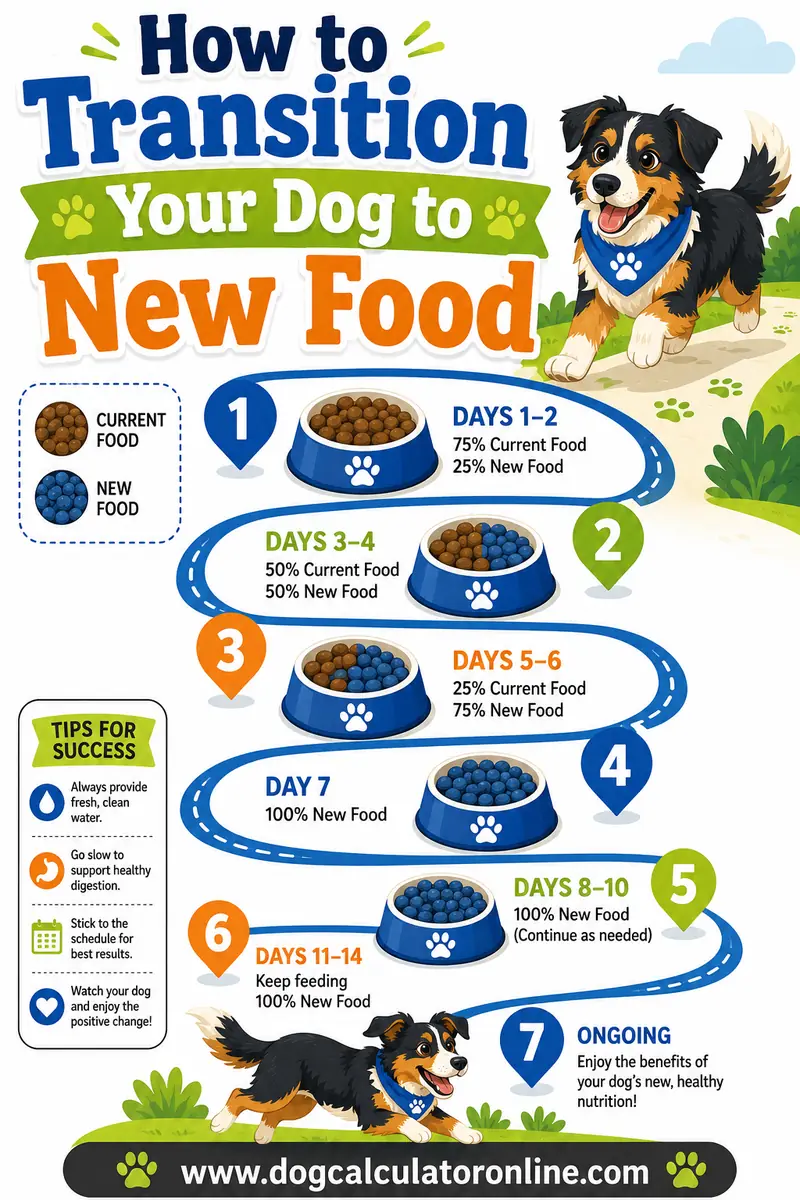
Food allergy is possible but over-diagnosed. It is less common than environmental allergy and tends to be non-seasonal, often with recurrent ear infections or intermittent gut signs. The only reliable test is a strict elimination diet using a novel or hydrolysed protein for 8 to 12 weeks with absolutely nothing else — no treats, no flavored medication, no scraps. Blood and saliva food-allergy tests sold direct to owners are not reliable, and the result frequently sends people down the wrong path for months. If you do trial a diet, change it properly rather than abruptly, following the steps in our guide to transitioning a dog to new food.
Treatment has improved enormously. Modern targeted medications control itch far better and more safely than long-term steroids, and immunotherapy is an option for confirmed environmental allergy. This is a conversation worth having properly with a vet rather than managing with shop-bought remedies.
Yeast and Bacteria: The Smell That Confirms It
The secondary infection is often what the owner actually notices.
Malassezia yeast overgrowth has a distinctive smell. Sweet, musty, sometimes described as corn chips or stale bread. Once you have smelled it you will recognize it again.
It looks greasy and dark. Red, moist skin between the toes early on, progressing to thickened, darkly pigmented, elephant-like skin with chronic disease.
It thrives in warm, damp, poorly ventilated places, which describes the space between a dog's toes precisely. That is why paws are the classic site, and why a dog who licks creates the conditions for the infection that makes him lick more.
Bacterial infection often accompanies it. Pustules, crusting, or small draining tracts between the toes. Deep interdigital infections can form painful nodules that need weeks of treatment.
Bathing alone will not fix it. Medicated antifungal shampoos and wipes have a real role as part of a treatment plan, but a dog with an established infection needs diagnosis and prescription treatment. Over-bathing a dry itchy dog with an ordinary shampoo makes things worse — our guide to how often to bathe a dog covers sensible frequency.
Drying the feet properly after wet walks is genuinely preventive. A towel between the toes, every time, costs nothing.
Pain: When One Paw Is the Whole Story
The cause most often missed, because owners are looking at the skin.
Dogs lick over the site of pain. A dog with arthritis in a carpus, elbow or hip will often lick the leg or paw on that side, and the skin there may be entirely normal.
The tell is asymmetry. One paw or one limb, consistently, with normal-looking skin, in a middle-aged or older dog. Look for stiffness after rest, hesitation on stairs, a shortened stride, or reluctance to jump into the car.
Nails are a frequent and fixable culprit. Overlong nails change the angle of the toes and cause real discomfort with every step. A split or torn nail, or swelling and discharge at a single nail bed, is painful and needs attention — keeping on top of nail trimming prevents a surprising amount of this.
Sudden licking of one paw is an acute problem until proven otherwise. Check for a cut, a thorn, a grass awn, a stone lodged between the pads, a cracked pad, a stung foot, or a broken nail. If you cannot find it and the dog is limping or the paw is swollen, that is a same-day appointment.
Grass awns are a summer specialty. The barbed seed heads work into the webbing and migrate, causing a swelling with a small central hole. They do not come out on their own and removal usually needs sedation, which is one of the more common unplanned bills owners meet — worth knowing when weighing up what vet care costs and whether insurance is right for you.
Irritants, Parasites and Seasonal Causes
A shorter list, but each is easy to miss and easy to fix.
Winter de-icing salt and grit. Rock salt is irritating and drying, and dogs lick it off, which also means ingesting it. Rinse and dry the feet after every winter walk, or fit boots — sizing matters more than people expect, and our dog boot size guide helps get it right first time.
Lawn treatments and garden chemicals. Herbicides, fertilisers, and slug pellets. Keep dogs off treated ground for the full interval on the label, and rinse the paws if you suspect contact.
Household cleaners and new flooring. A new floor cleaner is a surprisingly common trigger for sudden paw licking in a previously unaffected dog. Check the timeline.
Harvest mites in late summer and autumn. Tiny orange-red clusters in the webbing and around the ears, intensely itchy, very seasonal. Easily treated once recognized.
Demodex and sarcoptic mange. Both can present with paw involvement. Sarcoptes is intensely itchy and contagious, including to people, and it should be considered where the itch is severe and out of proportion to what you can see.
Fleas remain worth ruling out even in an apparently flea-free dog. Flea allergy dermatitis needs very few fleas, and the classic distribution is the back end rather than the feet — but it changes the whole picture and is cheap to exclude.
Compulsive Licking and Lick Granuloma
Last on the list for a reason, and important to handle correctly.
Acral lick granuloma is a raised, hairless, ulcerated sore, usually on the front of a lower leg. It is created by relentless licking and it becomes self-sustaining: the licking damages the skin, the damaged skin itches and hurts, and the dog licks more.
Most cases start from a physical cause. Studies of dogs presented with these lesions have found underlying issues — joint pain beneath the site, previous trauma, allergy, or deep bacterial infection — in a large share of cases. The behavioral label is applied far too readily.
They are difficult to treat and much easier to prevent. Established granulomas need long courses of antibiotics, pain management, and treatment of the underlying cause. Catching the licking at the pink-skin stage is dramatically better than catching it at the open-sore stage.
A cone alone is not treatment. Preventing access while the actual cause is being treated is sensible; preventing access instead of treating the cause simply moves the behavior elsewhere.
Genuine compulsive disorder does exist. It is more frequently seen in some breeds, often begins in a stressful period, and responds best to a combined plan from a vet and a qualified behaviorist. It should be the conclusion after a work-up, not the assumption before one.
Note that licking people and licking paws are different behaviors. A dog who does both may have an underlying itch, which is worth mentioning if you have been reading about why dogs lick their owners.
What to Do at Home, and When to Stop Trying
A short, honest home checklist, with a firm endpoint.
Look properly, in good light. Spread the toes, check each web space, the pads, between the pads, and each nail bed. Compare left with right. Smell the paw.
Rinse and dry after walks. Plain water is fine. Dry thoroughly between the toes. This alone resolves a proportion of mild cases caused by irritants.
Keep nails short and the hair between the pads trimmed. Both reduce moisture retention and mechanical irritation.
Do not apply human medications. Human hydrocortisone creams, tea tree products and antiseptics intended for people are variously ineffective, irritating or toxic if licked. Apple cider vinegar soaks are widely recommended online and will sting badly on broken skin.
Give it two weeks, no longer. If daily licking persists past two weeks despite basic care, book the appointment. Go sooner — the same day — for a swollen paw, limping, an open sore, bleeding, a bad smell, or a dog who will not let you touch the foot.
Take useful information with you. When it started, whether it is seasonal, which paws, what the diet is, what parasite prevention is used, and a photograph of the paw on a bad day. Skin work-ups are stepwise and the history shapes them.
FAQ
Is it normal for dogs to lick their paws?
Brief cleaning after a walk is normal grooming. Licking that happens daily, lasts minutes at a time, or leaves rust-colored saliva staining on the fur is not, and it should be assessed. Persistent paw licking is a symptom rather than a habit.
Why does my dog lick his paws until they are red?
Most often allergic skin disease with a secondary yeast or bacterial infection on top. The two feed each other: allergy damages the skin barrier, infection follows, and the infection itches. Both need treating, which is why the problem returns if only one is addressed.
Does paw licking mean my dog is bored or anxious?
Rarely as the primary cause. Compulsive licking exists but is a diagnosis of exclusion, and most dogs labeled with it turn out to have an itch or a pain source. Treating a physical problem as a behavioral one delays effective treatment considerably.
Are food allergies behind my dog's paw licking?
Sometimes, but less often than environmental allergy. Food allergy tends to be non-seasonal and frequently comes with recurrent ear infections. The only reliable way to test is a strict 8 to 12 week elimination diet; over-the-counter blood and saliva tests are not dependable.
Should I use apple cider vinegar or coconut oil on my dog's paws?
No, not as a substitute for diagnosis. Vinegar stings badly on broken skin and neither addresses allergy, infection or pain. Medicated antifungal or antibacterial products prescribed after an examination do the job properly and considerably faster.
When should I take my dog to the vet for paw licking?
Book an appointment if daily licking has continued for more than one to two weeks. Go the same day for a swollen paw, limping, an open or bleeding sore, a strong smell, or a dog who will not let you handle the foot.
Treat It as a Symptom, Not a Quirk
The reason this article carries a vet warning in its title is that paw licking is the behavior most likely to be quietly progressive. A dog with an untreated allergy licks, the skin barrier breaks down, yeast and bacteria move in, and what began as a mild seasonal itch becomes thickened, painful, infected skin that takes months to bring back under control. None of that is inevitable, and almost all of it is avoidable by taking the behavior seriously early. Look at the feet properly, note whether it is one paw or both, whether it is seasonal, and whether there is a smell — and set yourself a two-week limit on home management. If the licking is daily and persistent past that, book the appointment. Our dog age calculator is a useful bit of context to bring along, since the likely causes shift considerably with age.