Does Pet Insurance Cover Dental?
Pet insurance covers dental work in three very different tiers: dental accidents (a tooth broken on a bone or a fall) are covered by most accident-and-illness policies; dental illness (periodontal disease, infected teeth, extractions) is covered by some policies, capped by others, and excluded by plenty; and routine cleanings are almost never covered — they're preventive care, the territory of wellness add-ons. So the honest answer is "partly, and it depends heavily on the policy you pick." This guide shows you exactly where each line falls and which clauses to check before you buy. Since dental work is one of the most common mid-life dog expenses, it's also worth seeing where it sits in your total budget — the free dog cost calculator adds it up for your dog's size in a minute.

What Are the Three Tiers of Dental Coverage?
Dog dental care isn't one category to an insurer — it's three, and each gets treated differently. Everything in this article hangs off this distinction, so here it is up front:
| Tier | Examples | Typical coverage | Where it lives |
|---|---|---|---|
| Dental accidents | Tooth fractured on a bone, jaw injury from a fall or car accident | Covered by most accident-and-illness policies | Core policy |
| Dental illness | Periodontal disease, infected or abscessed teeth, extractions, gingivitis complications | Varies widely: full, capped, or excluded | Core policy — check wording |
| Routine/preventive | Anesthetized cleanings (prophylaxis), scaling and polishing, brushing products | Almost never insured | Wellness add-on or your own budget |
The confusion around "does pet insurance cover dental" exists because all three tiers involve the same teeth and often the same procedure room, yet sit under completely different rules. A $1,200 extraction bill might be reimbursed at 90%, capped at $500, or denied entirely — depending not on the tooth, but on why it needed treatment and which policy you hold.
The rest of this guide takes the tiers one at a time, then covers the fine-print clauses that decide real claims.
Does Insurance Cover Broken Teeth and Dental Accidents?
Yes, in nearly all cases. When a tooth breaks because of trauma — your dog cracked a carnassial tooth on an antler chew, took a bad fall, caught a ball wrong, or was in a collision — that's an accident, and accident coverage is the most standardized part of any pet policy. Treatment for a fractured tooth typically means extraction or, less commonly, root canal therapy, plus dental X-rays and anesthesia. Under a typical plan, the whole episode is claimable like any other injury, subject to your deductible and reimbursement rate.
Two genuinely useful things to know here. First, slab fractures from chewing hard objects are one of the most common dental claims vets see — antlers, bones, ice cubes, and hard nylon chews are the usual culprits. Most policies treat these as accidents, but a few argue the line, so if your dog is a power-chewer it's worth confirming that chew-related fractures are claimable. Second, the accident tier usually includes the whole treatment — imaging, anesthesia, extraction, medication, recheck — not just the tooth itself. On a $1,500 fractured-tooth bill with a met $500 deductible and 80% reimbursement, you'd typically get $800 back.
The one consistent condition: the damage must be new and documented. A fracture your vet noted before enrollment is pre-existing, which brings us to the tier where things get complicated.
Does Insurance Cover Dental Disease and Extractions?
Sometimes — and this is the tier where policies differ more than almost anywhere else in pet insurance. Periodontal disease (infection and inflammation of the gums and tooth-supporting structures) is among the most common conditions veterinarians diagnose in adult dogs, and treating its later stages means anesthesia, dental X-rays, and extractions that routinely total $500–$2,000, sometimes more for severe mouths or small breeds with crowded teeth.
Across the market, dental illness coverage comes in three flavors:
- Full coverage. Some accident-and-illness policies treat dental disease like any other illness: extractions, medication, and treatment reimbursed at your normal rate up to your normal limits. This is the strongest version and increasingly common in newer policies.
- Capped coverage. Others cover dental illness but cap it at a fixed annual amount — often somewhere in the $500–$1,000 range — regardless of your overall annual limit. Against a $1,800 extraction bill, a $500 dental cap changes the math dramatically.
- Exclusion. Some policies simply exclude dental illness altogether, covering only the accident tier. These plans are often cheaper, and this is one place the savings come from.
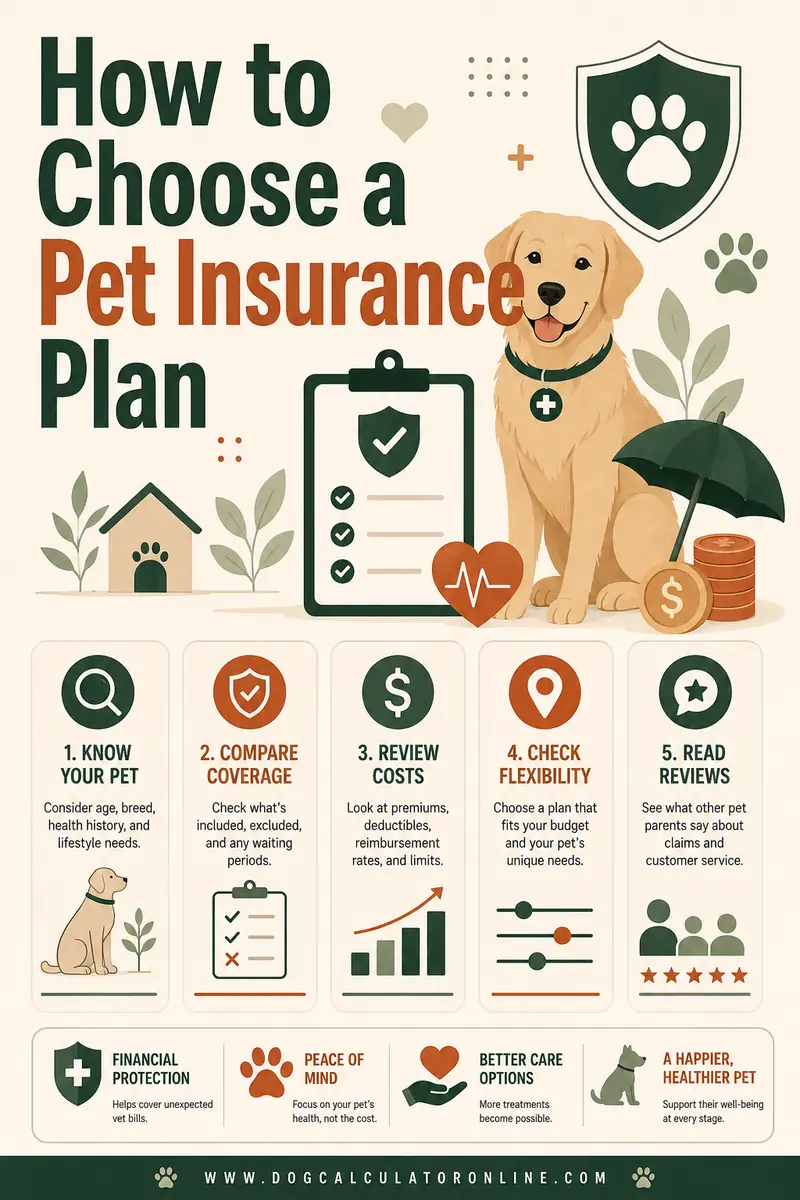
Because periodontal disease is so common, this single clause can matter more than headline features. A plan with a slightly higher premium and real dental-illness coverage can easily out-earn a cheaper plan by the time a dog is seven or eight. When you compare policies, put "dental illness: full, capped, or excluded?" on your shortlist of direct questions — it belongs in the same conversation as deductibles and limits, as laid out in how to choose a pet insurance plan.
One more wrinkle: retained baby teeth, malocclusions (misaligned bites), and orthodontic issues are usually classed as either congenital conditions or elective care. Coverage there is patchy and worth a specific question if your breed is prone to them.
Are Teeth Cleanings Ever Covered?
By insurance proper — essentially never. A routine anesthetized cleaning (your vet may call it a dental prophylaxis: scaling, polishing, and probing under anesthesia, usually with X-rays) is scheduled, predictable, preventive care. Insurance exists for the unpredictable, so cleanings sit outside accident-and-illness coverage the same way vaccines and annual exams do — part of the broader excluded-care picture covered in what pet insurance doesn't cover.
That doesn't make cleanings optional. Professional cleanings, typically $300–$800 depending on region, dog size, and whether X-rays are included, are how periodontal disease gets caught and stopped early — and skipping them is how dogs end up needing the $1,500 extraction procedure instead. Veterinary dental organizations recommend regular professional cleanings alongside home brushing, with frequency guided by your vet based on breed, size, and mouth condition. Small breeds generally need them more often than large ones.
The industry's answer for cleaning costs is the wellness add-on: a non-insurance product that pre-pays routine care in monthly installments, usually contributing a fixed annual amount toward a cleaning. Whether that's worth it is pure arithmetic — compare the add-on's yearly cost against what it actually pays out for the services you'd genuinely use. Sometimes it wins, often it's a wash with a convenience fee attached. We run through that comparison honestly in wellness plans vs pet insurance.
Budget cleanings as a recurring line item either way. A dog that gets a $400 cleaning every 12–18 months costs a predictable amount across a decade — visible in advance with the dog cost calculator — and that predictability is exactly why no insurer will cover it.
What Dental Fine Print Should You Check Before Buying?
Dental coverage is where policy wording earns its reputation. Four clauses decide most real-world dental claims, and all four are checkable before you pay a cent:
- The dental-illness tier (full, capped, or excluded). Covered above, and the single biggest differentiator. Get the answer in writing, including any per-year dental sub-limit hiding under the general annual limit.
- Cleaning-compliance requirements. Some policies only honor dental-illness claims if you can document regular dental care — typically an annual dental exam, and sometimes cleanings when the vet recommends them. Miss the paper trail and an otherwise-valid periodontal claim can be denied. If your policy has this clause, keep every dental record.
- Pre-existing dental notes. Tartar buildup, gingivitis, "grade 2 dental disease," or a loose tooth mentioned anywhere in your dog's chart before enrollment can make later periodontal claims deniable as pre-existing. Since most adult dogs have some dental notation in their records, this quietly locks many dogs out of the dental-illness tier — and it's a core reason enrolling young pays off. The mechanics are the same as any other condition, detailed in our pre-existing conditions guide.
- Waiting periods. Dental illness falls under the standard illness waiting period — usually around 14 days — and dental problems that show symptoms during the wait are permanently excluded under that policy, per the usual waiting period rules.
None of these clauses are hidden; they're all in the sample policy document any reputable insurer will hand over before purchase. Reading the dental section of two competing policies side by side takes ten minutes and will tell you more than any review site can.
What Does Dog Dental Care Actually Cost?
Numbers make the coverage question concrete. Real-world US ranges look like this — with the usual honesty that region, dog size, and severity move every figure:
| Dental event | Typical US cost range | Usual coverage status |
|---|---|---|
| Routine anesthetized cleaning with X-rays | $300–$800 | Not insured; wellness add-on territory |
| Fractured tooth extraction (accident) | $500–$1,500 | Covered by most policies |
| Root canal on a fractured tooth (specialist) | $1,500–$3,000+ | Often covered as accident treatment; confirm |
| Periodontal treatment with multiple extractions | $800–$2,500+ | Depends on dental-illness tier |
| Tooth-root abscess treatment | $500–$1,500 | Dental illness — depends on policy |
| Home care (brushes, paste, dental chews per year) | $50–$150 | Yours, and the cheapest line on the table |
Two patterns worth noticing. First, the expensive rows cluster in the illness tier — exactly the tier where policies diverge, which is why the "full, capped, or excluded" question matters so much. Second, the cheapest row on the table (home brushing and vet-recommended dental chews) is the one that shrinks every other row. Daily brushing is unglamorous and genuinely effective; your vet can show you the technique in five minutes at any checkup.
Anesthesia is the quiet driver behind all the big numbers — safe dental work on a dog requires it, along with pre-anesthetic bloodwork and monitoring. That's also why "anesthesia-free dental cleaning" services aren't a substitute: without anesthesia there's no probing below the gumline or X-rays, which is where periodontal disease actually lives. Veterinary dental specialists consistently advise against relying on them.
How Do You Keep Dental Coverage Valid?
If you buy a policy with real dental-illness coverage, a little routine maintenance protects the coverage itself:
- Get the annual dental exam documented. Even if your policy doesn't require it, a chart that shows consistent dental attention makes claims cleaner and disputes rarer.
- Follow through when the vet recommends a cleaning. Under compliance clauses, a recommended-but-skipped cleaning can void later periodontal claims. If you're declining for budget reasons, know what it may cost you in coverage.
- Keep records if you switch vets. Dental claims get reviewed against full history; gaps in records slow everything down.
- Enroll before the first dental notation. The single best move on this entire page. A puppy's clean chart means the whole dental-illness tier is genuinely available; a six-year-old with "moderate tartar" noted twice is already partly locked out.
- Brush. Not for the insurer — for the dog. The cheapest dental plan ever devised is a toothbrush and a habit.
Frequently Asked Questions
Does pet insurance cover teeth cleaning for dogs?
No — routine anesthetized cleanings are preventive care, excluded from accident-and-illness policies across the industry. Wellness add-ons can contribute a fixed amount toward an annual cleaning, but compare the add-on's total yearly cost against the cleaning's actual price before assuming it saves money. Budget cleanings as recurring care, typically $300–$800 each.
Does pet insurance cover tooth extractions?
It depends on why the tooth needs to come out. Extractions from accidents — a fractured tooth — are covered by most policies as injury treatment. Extractions from dental disease depend on the policy's dental-illness tier: fully covered under some plans, capped around $500–$1,000 under others, and excluded under some. Check the policy wording for "dental illness" before you buy.
Is periodontal disease covered by pet insurance?
Only if the policy covers dental illness and the disease wasn't pre-existing or noted during a waiting period. Because tartar and gingivitis appear in most adult dogs' vet records eventually, dogs enrolled young — before any dental notation — have far better access to this coverage. Some policies also require documented annual dental exams to keep the coverage valid.
Are dental chews or brushing products covered?
No — home dental care products are routine expenses, outside any insurance claim. They're also the highest-value spending on the entire dental list: daily brushing meaningfully slows periodontal disease, which is the expensive problem everything else on this page revolves around. Ask your vet to demonstrate the technique and which chew products carry credible dental benefits.
Why was my dog's dental claim denied?
The common reasons: the condition was judged pre-existing from chart notes (tartar or gingivitis recorded before enrollment), the policy excludes or caps dental illness, symptoms appeared during the waiting period, or a cleaning-compliance clause wasn't met. Request the specific denial reason in writing — insurers must state it — and check it against your policy wording; genuinely incorrect denials can be appealed with your vet's records.
Should I pick a pet insurance plan based on dental coverage?
It deserves more weight than most shoppers give it, because periodontal disease is one of the most likely mid-life expenses a dog faces. A plan with full dental-illness coverage at a modestly higher premium frequently beats a cheaper plan with a $500 dental cap by age seven or eight. Treat "dental illness: full, capped, or excluded?" as a headline comparison question, alongside deductible, reimbursement, and limits.
The Bottom Line
Dental coverage splits into three tiers: accidents are covered nearly everywhere, illness coverage ranges from excellent to absent depending on the policy, and cleanings are yours to fund no matter what. The winning moves are all early ones — enroll before the first tartar note appears in the chart, confirm the dental-illness tier in writing, and keep up the exams that keep coverage valid. Then let a toothbrush handle the rest. To see how cleanings, insurance, and everything else stack into your dog's real yearly cost, run your numbers through the free dog cost calculator.